Art Basel 2026: The Year Everything Changed
How a generation of digital-native artists stormed the world's most prestigious fair
 Image
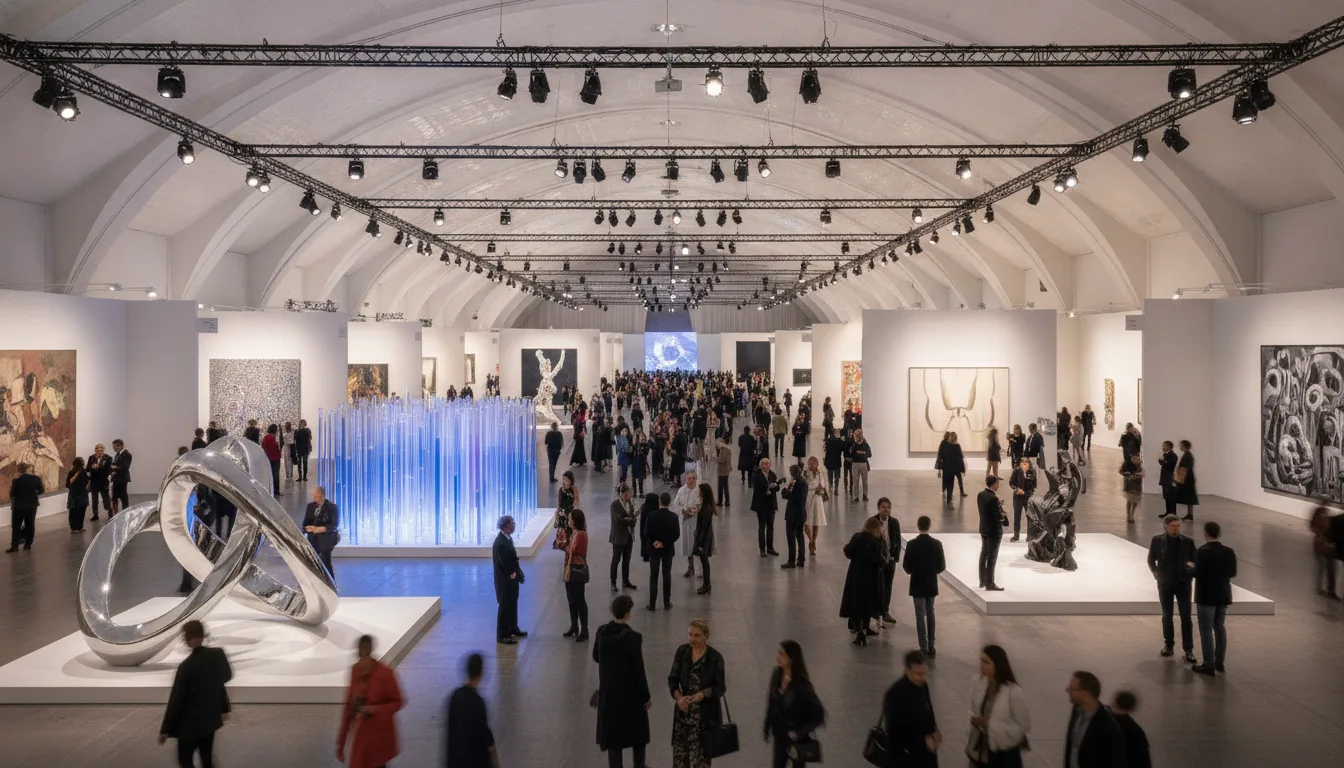
ImageFor decades, Art Basel operated on a set of assumptions so deeply held they were never spoken aloud. Painting mattered more than pixels. Provenance mattered more than process. And the collectors who kept the whole ecosystem afloat were men of a certain age with warehouses in Geneva and advisors on speed dial.
Then came June 2026, and those assumptions caught fire on the floor of Hall 1.
The Insurgents
The shift had been building for years, but this was the edition that made it undeniable. Of the two hundred and seventy galleries that exhibited, nearly a third featured at least one artist working primarily in digital or hybrid media. Not screensavers disguised as art – the criticism that dogged earlier digital movements – but ambitious, technically demanding work that happened to exist on screens, in code, or across networked devices rather than on canvas.
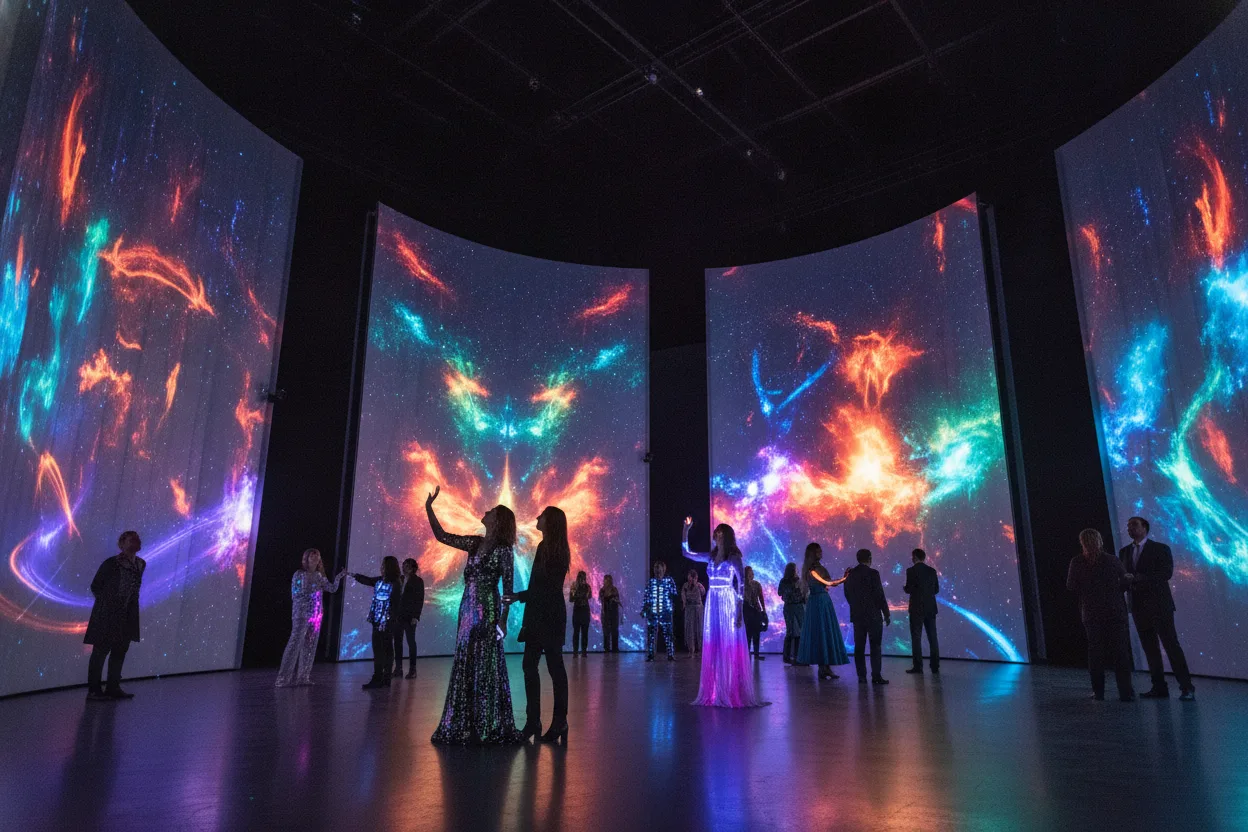
The breakout star was Yara Okonkwo, a thirty-one-year-old artist from Lagos and London whose immersive installation Thresholds occupied an entire darkened hall. Visitors walked through corridors of projected light that responded to their movement, heart rate, and proximity to other bodies. The effect was disorienting, beautiful, and impossible to experience through a phone screen – a deliberate rebuke to the assumption that digital art lacks physical presence.
“I wanted to make something you had to be inside,” Okonkwo said during a packed artist talk on the second day. “Something your body understood before your brain did.”
The Money Followed
By midweek, the sales figures told their own story. Several major works by digital-native artists sold for seven figures, numbers that would have been unthinkable at Basel five years ago. The Reiner Galerie in Berlin reported selling out its booth by Tuesday afternoon, led by a suite of algorithmic paintings by the reclusive coder-artist known only as Meridian.
Traditional painting did not disappear, of course. The market for large-scale figurative work remained robust, and several prominent galleries reported strong sales of established names. But the energy – the crowds, the conversations, the late-night dinners where dealers tried to secure first refusal on next year’s work – had shifted unmistakably toward the new.
Generational Tectonics
The collector base is changing, and Basel reflected it. A new generation of buyers, many of them from the technology and finance sectors, arrived with different instincts. They were less interested in blue-chip names and more willing to take risks on emerging artists whose practice incorporated technology, interactivity, or social commentary.
“The old guard buys names,” observed gallerist Tomoko Ashida, whose booth featured a mixed-reality sculpture that visitors could only fully experience through a paired device. “The new guard buys ideas. Both approaches have merit, but they produce very different fairs.”
What It Means
Art Basel has always functioned as a barometer for the broader art market, and the signals from 2026 are difficult to misread. The institutions are adapting – several major museums announced acquisitions of digital work during the fair – and the infrastructure is following. New conservation protocols, exhibition standards, and authentication frameworks are emerging to support work that does not behave like a painting on a wall.
Whether this constitutes a revolution or merely an evolution depends on whom you ask. Okonkwo, for her part, resists the framing entirely.
“Calling it digital art is like calling cinema ‘electric theatre,’” she said. “The technology is just the material. The question is still the same: does the work make you feel something you did not feel before?”
At Basel this year, the answer was yes.
 Image
Image Image
Image