Inside the Private Palazzos of Venice
A photographic journey through the city's most exclusive hotel conversions
 Image
Image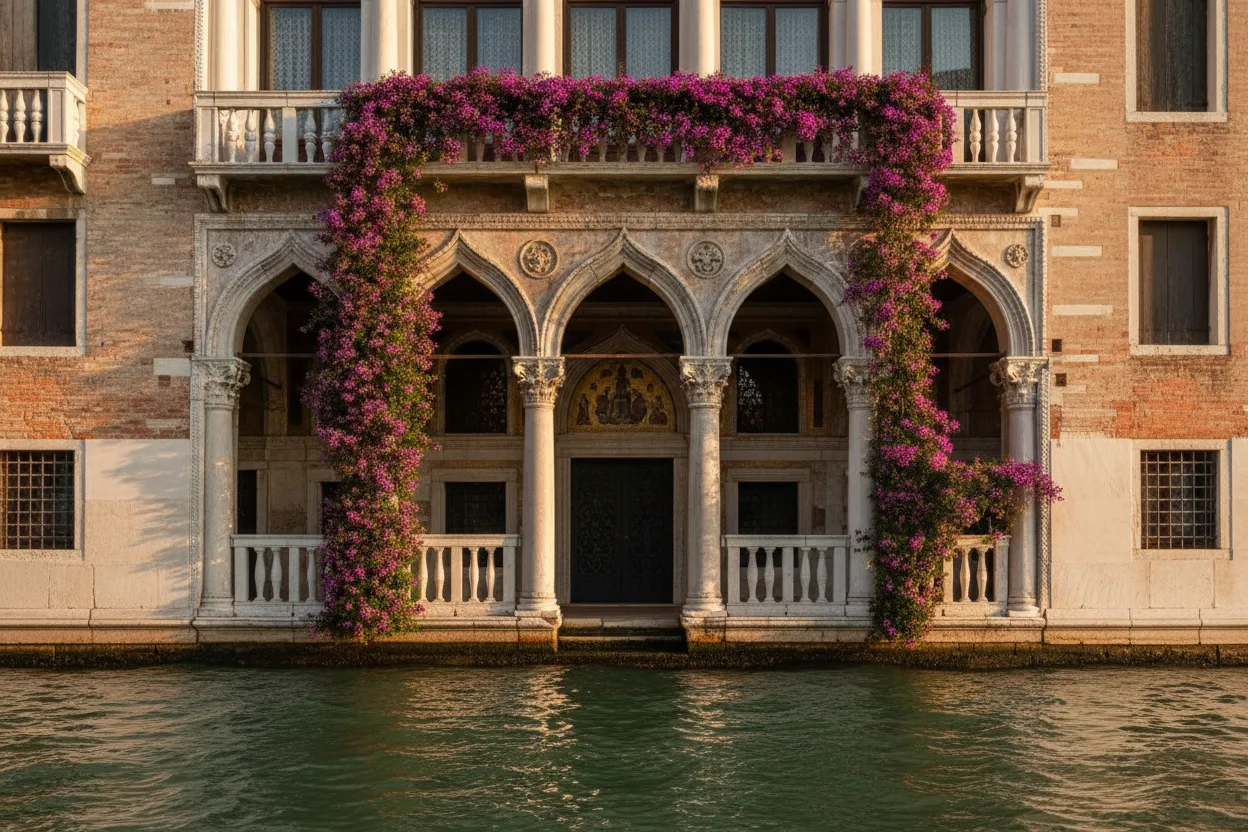 Image
Image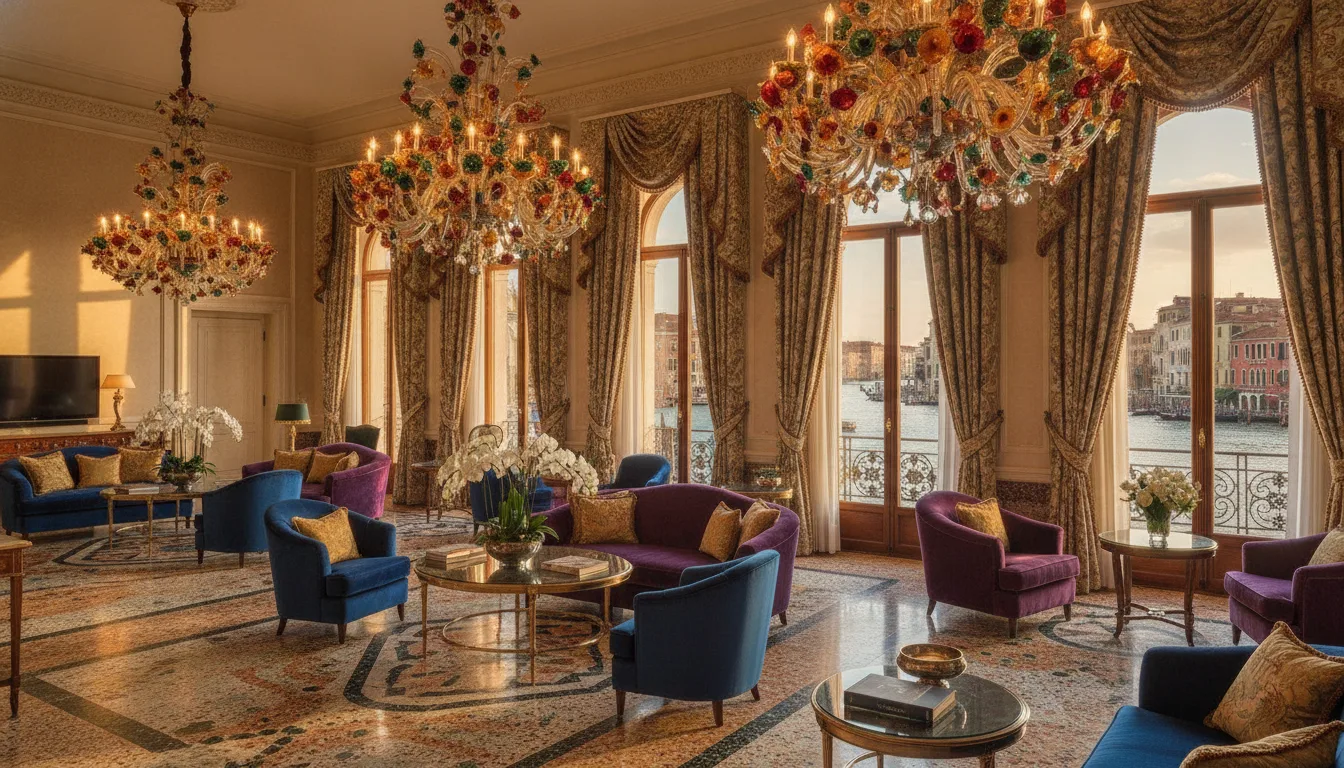 Image
Image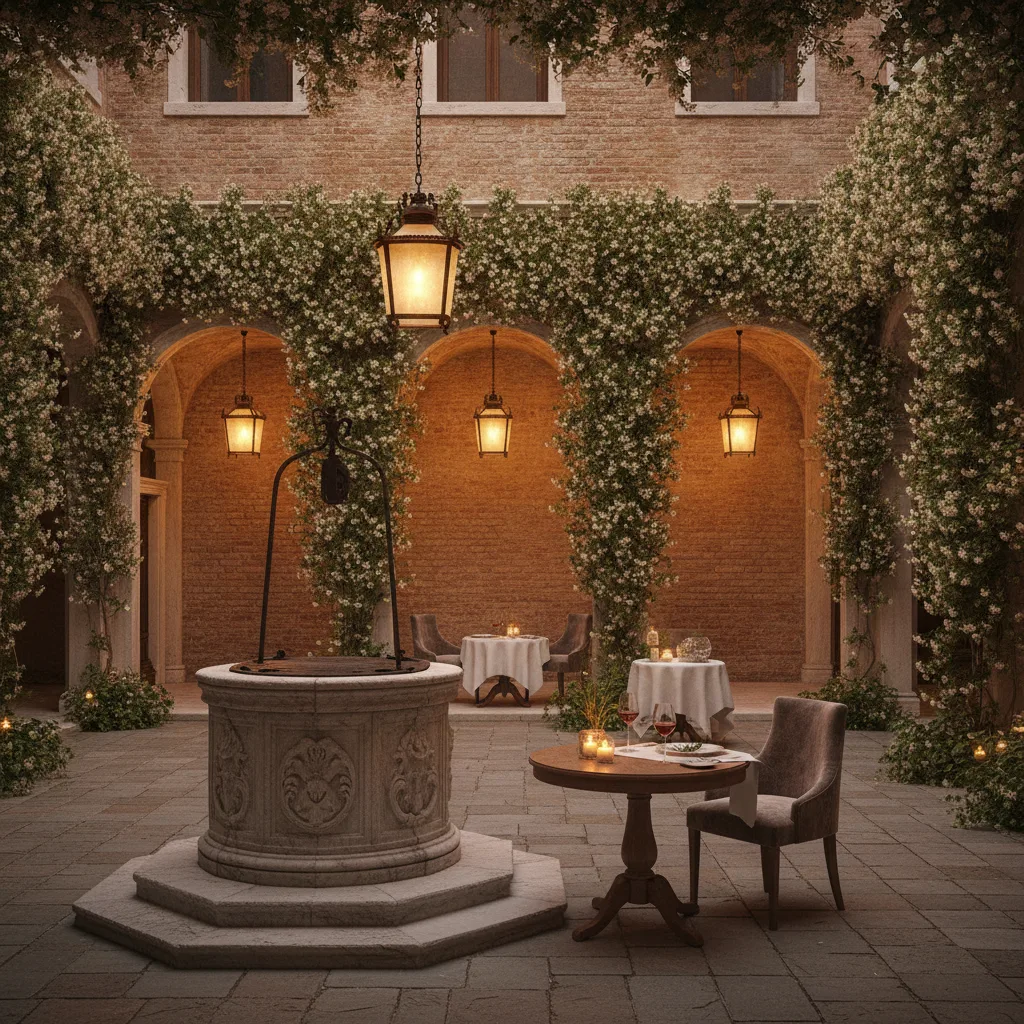 Image
ImagePhotography by Vanity Lane Travel
There is a particular silence inside a Venetian palazzo at dawn. Not the absence of sound – the city is never truly quiet, with its lapping water and distant church bells – but a silence of intention. These buildings were made to impress, and five hundred years later, standing in a frescoed hallway with marble cool beneath your feet, the impression holds.
Venice has always traded in spectacle. But the latest chapter of its hospitality story is something subtler: a handful of private palazzos, long shuttered behind crumbling facades, reopened not as museums but as intimate hotels where the room count rarely exceeds twelve and the waiting list can stretch beyond a year.
Palazzo Serenella
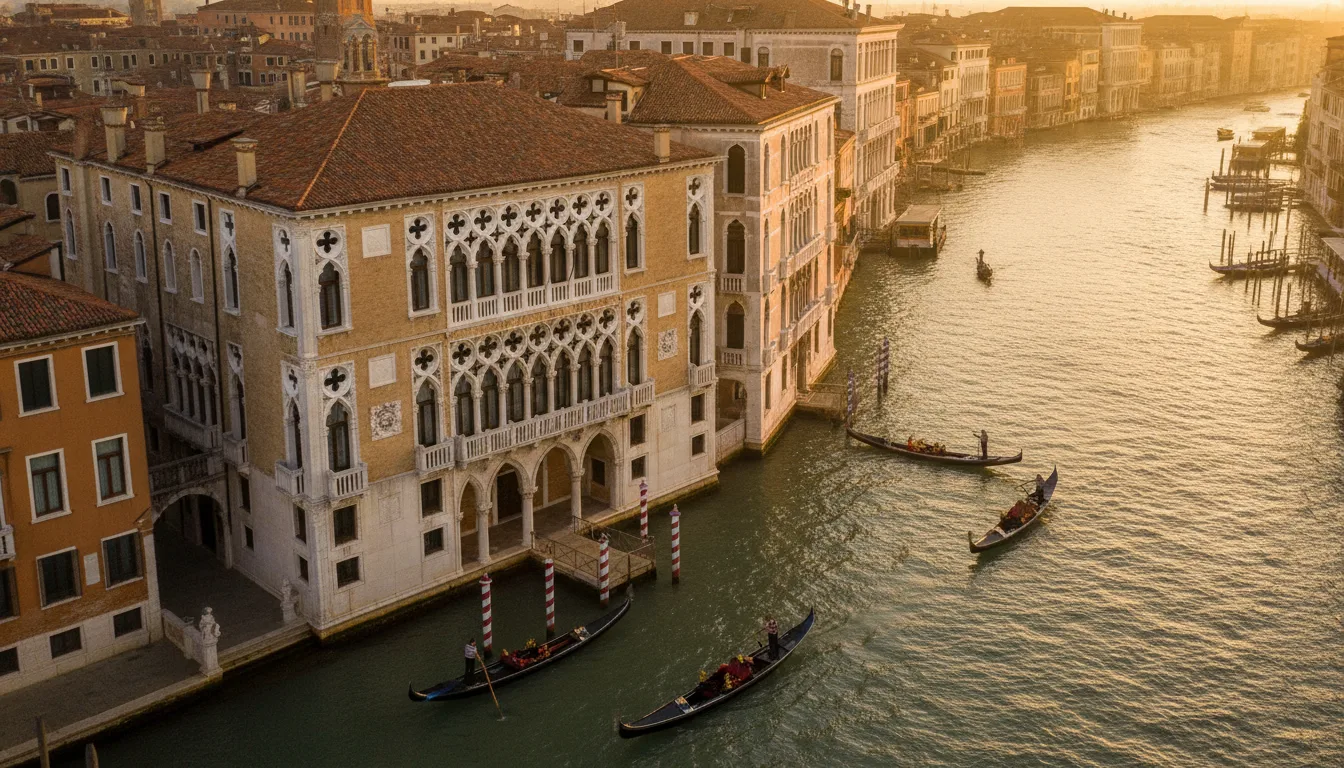
The most talked-about conversion belongs to Palazzo Serenella, a fifteenth-century Gothic residence on the Grand Canal that spent decades as a storage depot for a glass merchant’s family. The restoration, led by Milanese architect Francesca Baldini, took seven years and required the painstaking recreation of a ceiling fresco attributed to an unknown student of the Venetian school.
“We did not want to build a hotel,” Baldini told Vanity Lane during a walkthrough of the just-completed Ducal Suite. “We wanted to return the house to the kind of life it once held – intimate dinners, long afternoons reading by the window, the smell of coffee in the courtyard.”
The result is a property that functions less like a hotel and more like a private invitation. There is no signage on the facade. Guests arrive by water taxi to a discreet entrance on a side canal, where a butler greets them with prosecco and a hand-drawn map of the neighbourhood.
Ca’ Loredan and the New Discretion
Three streets away, Ca’ Loredan operates on an even more exclusive model. The eighteenth-century palazzo offers just four residences, each occupying an entire floor. There is no restaurant, no spa, no concierge desk. Instead, a private chef arrives each morning, a local guide is available on request, and the rooftop altana – a traditional Venetian wooden terrace – is reserved for whichever guest books first.
The trend reflects a broader shift in luxury travel: away from amenity-laden mega-resorts and toward properties that offer something no algorithm can replicate. Character. History. The particular way light falls through a leaded glass window onto a five-hundred-year-old floor.
The Preservation Question
Not everyone celebrates the conversions. Venetian heritage groups have raised concerns about the privatisation of architectural treasures, arguing that palazzo interiors should be accessible to the public rather than reserved for guests paying upward of three thousand euros per night.
Baldini pushes back gently. “These buildings were falling apart. No public funding was available. The choice was not between a hotel and a museum – it was between a hotel and a ruin.”
Standing in the courtyard of Ca’ Loredan as the evening light turns the stone walls the colour of warm honey, it is difficult to argue with the result.