Rafael Santos on Silence, Cinema, and Starting Over
The visionary director discusses his triumphant return after a five-year absence from filmmaking
 Image
ImageI had to forget everything I knew about making films. The ego was the first thing to go. The awards were the second.
Rafael Santos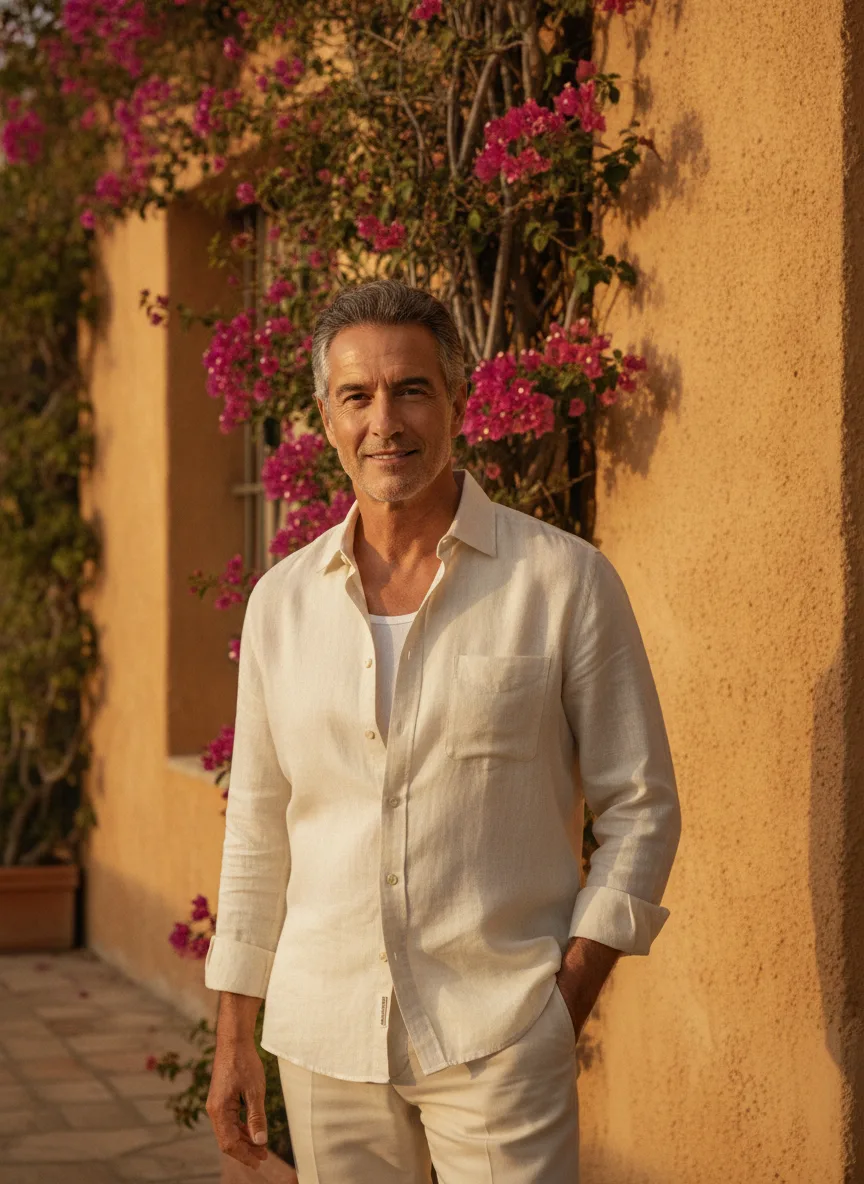 Image
Image Image
Image Image
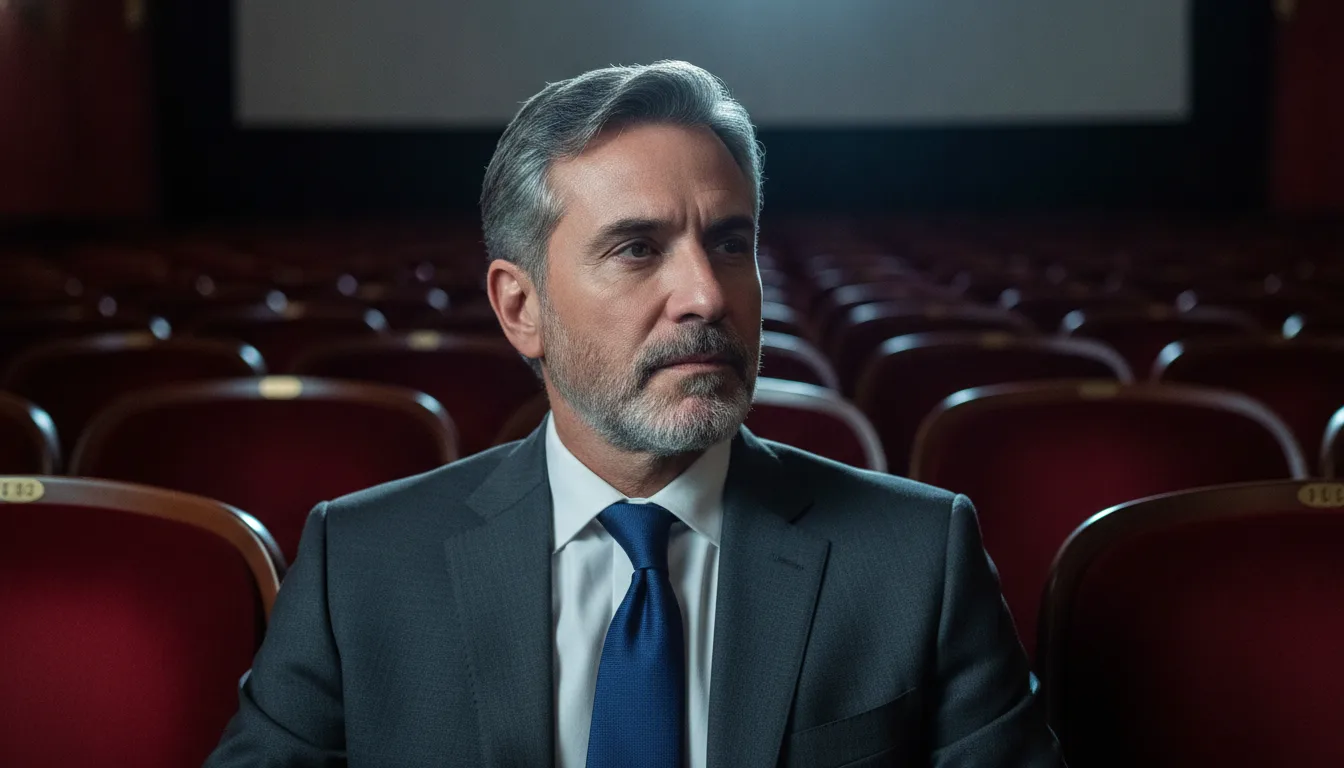
ImageRafael Santos does not look like a man who spent five years in the wilderness. He is tanned, composed, and dressed with the careless elegance of someone who stopped worrying about what other people think a long time ago. A linen shirt, loose trousers, sandals. We are meeting in a small screening room in the west of the city, where two hours ago he watched the final cut of Agua Quieta, the film that marks his return to cinema after half a decade of silence.
“I did not plan to disappear,” he says, settling into one of the velvet seats and angling his body toward me with the practised openness of someone who has done many interviews but has decided, for once, to be honest during this one. “But I also did not fight it when it happened.”
The disappearance came after Meridian, which won three major awards and was almost universally acclaimed. Most directors would have capitalised on that moment. What happened?
Success, and the strange emptiness that follows it. I had spent four years making Meridian. It consumed everything — my marriage, my health, my ability to have a conversation about anything other than that film. When it was finished and the praise arrived, I expected to feel something. I felt nothing. Absolutely nothing. So I went home, and I stayed there.
For five years.
For five years. I read books. I cooked. I walked along the coast near my mother’s house and watched the fishermen bring in their catch at dawn. I did not watch a single film for the first two years. I had forgotten how to be a person who was not making something, and I needed to remember.
What brought you back?
Boredom, eventually. And a story I could not stop thinking about. Agua Quieta began as an image — a woman standing in still water up to her waist, looking at something we cannot see. I did not know who she was or why she was there. But I could not stop seeing her.
The film is remarkably spare. Sixty percent of it has no dialogue. Was that a reaction to the maximalism of Meridian?
It was a reaction to everything. To noise, to excess, to the industry’s conviction that audiences need to be overwhelmed. I wanted to make a film that trusted silence. That trusted the viewer to sit with an image and find their own meaning in it. Most studios would never finance something like this. I was fortunate to find producers who shared the vision.
You shot portions of the film on celluloid. In an era of digital filmmaking, that reads as a statement.
It is a statement, but it is also practical. Celluloid forces discipline. You cannot shoot endlessly and fix it in post-production. Every take costs money, so every take has to matter. It made the entire crew more attentive, more present. The material demanded respect, and we gave it.
There is already considerable awards speculation around Agua Quieta. Does that prospect concern you, given what happened last time?
It terrifies me. But I am a different person now. I have better boundaries and fewer illusions. If the recognition comes, I will appreciate it. If it does not, I still have the film, and the film is exactly what I wanted it to be. That was not true of Meridian, and it took me five years to understand why.
He stands, buttons his jacket, and glances at the blank screen one last time. There is something in his expression that looks like relief — the particular relief of a man who has finished something and is not yet ready to think about what comes next.
Agua Quieta premieres at the Venice Film Festival on September 5.