Tokyo's Quiet Style Revolution
How the city's underground fashion scene is influencing luxury houses worldwide
 Image
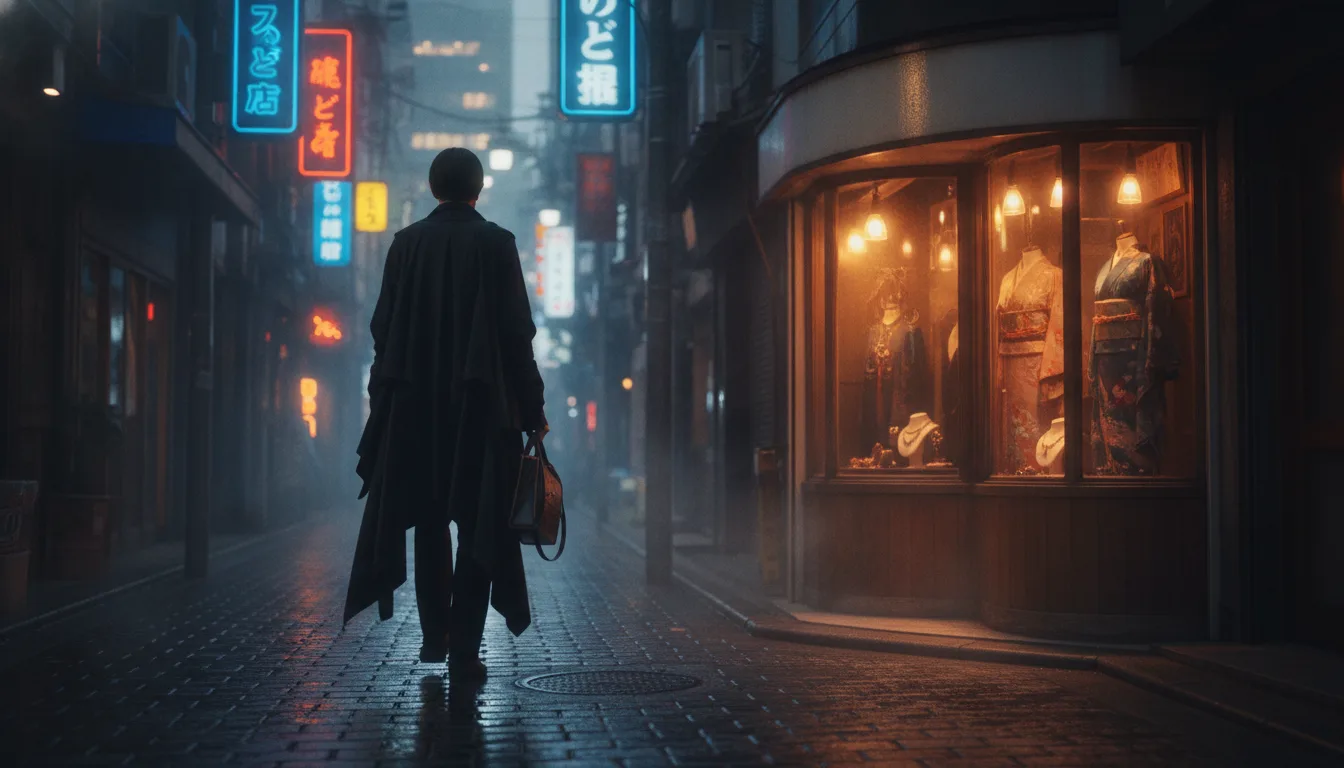
ImageYou will not find it on any map. There is no sign above the door, no social media account, no website. To visit Maison Kuro, the three-room atelier tucked behind a ramen shop in Tokyo’s Koenji district, you need a handwritten card from someone who has already been. Inside, the racks hold perhaps forty garments at any given time. Every piece is cut by hand. Nothing costs less than the equivalent of two thousand dollars.
And yet, three of the most powerful creative directors in European fashion have visited in the past twelve months.
“Tokyo is where the conversation is actually happening,” says one senior designer at a storied Parisian house who requested anonymity. “We fly here to remember why we started.”
The Anti-Algorithm
What makes Tokyo’s current underground moment different from previous waves — the Harajuku explosion of the early 2000s, the streetwear crossover of the 2010s — is its deliberate invisibility. The designers driving this movement have no interest in virality. They do not collaborate with influencers. Several refuse to sell online entirely.
Ren Takahashi, whose label Forme Noire has become a quiet obsession among fashion insiders, operates out of a converted photography studio in Nakameguro. His collections are shown to small groups of no more than fifteen people. There are no photographs allowed.
“The moment something is documented, it becomes content,” Takahashi says, pouring tea with the precision of a man who measures everything. “I want my clothes to exist in real life, on real bodies, in real rooms. That’s it.”
Fabric as Philosophy
The technical innovation coming out of these ateliers is staggering. Takahashi works with a textile mill in Niigata that produces a wool-silk blend so fine it behaves almost like liquid. At Maison Kuro, founder Yuki Arai has developed a dyeing process using fermented persimmon that produces colors impossible to replicate synthetically — deep, living blacks that shift between charcoal and indigo depending on the light.
These are not gimmicks. They represent a fundamentally different relationship with material, one rooted in Japanese craft traditions that predate the fashion industry by centuries.
“In the West, luxury is about the label,” Arai says. “Here, luxury is about the thread.”
The Ripple Effect
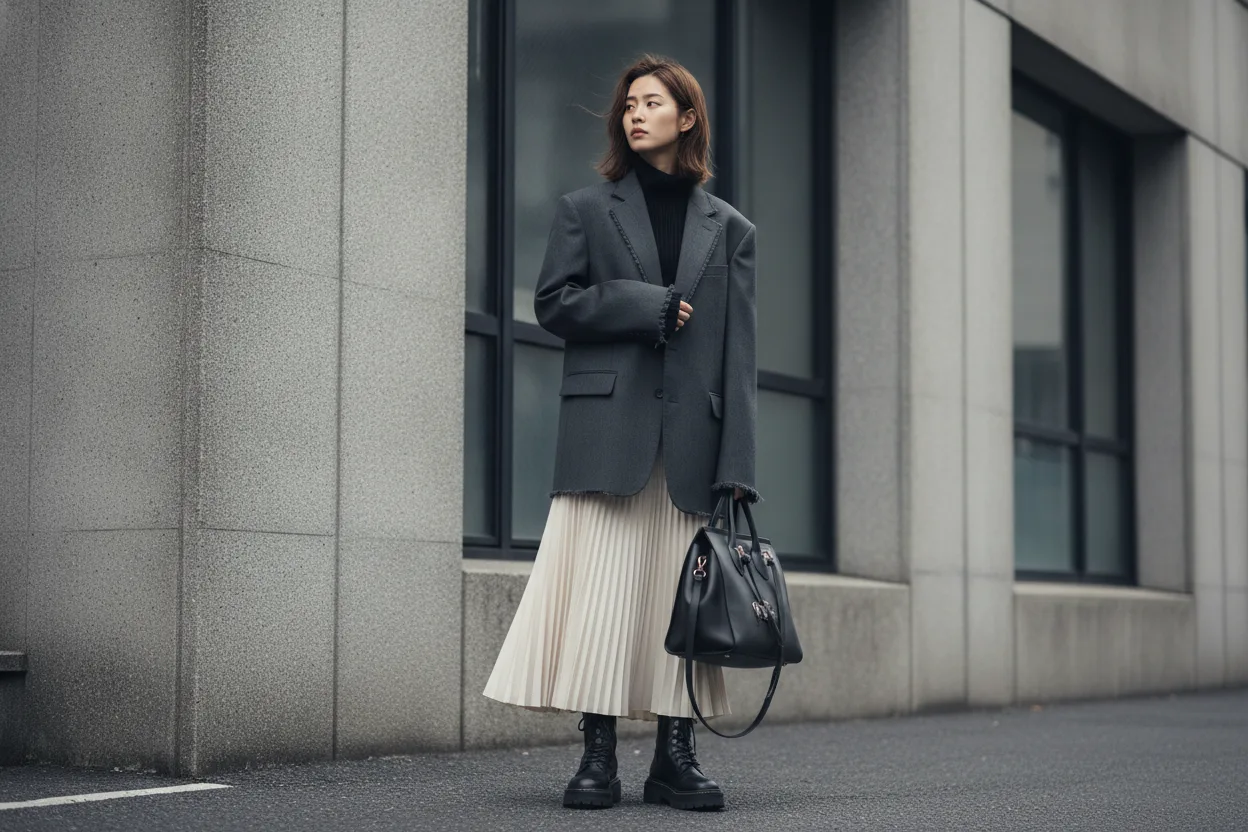
The influence is already visible on European runways, if you know where to look. The deconstructed tailoring that dominated the autumn collections in Milan and Paris — raw edges, asymmetric hems, garments that look unfinished by design — traces directly back to what has been happening in Koenji and Shimokitazawa for the past three years.
Fabric sourcing is shifting, too. At least two major houses have begun working with the same Niigata mills that supply Tokyo’s underground. One has hired a full-time scout based in the city whose sole job is to monitor emerging makers.
Beyond Trend
But the designers here are wary of becoming the next thing to be consumed and discarded by the global fashion cycle. Takahashi has turned down licensing deals. Arai limits Maison Kuro’s output to roughly two hundred pieces per year.
“If they copy us, that is their problem,” Takahashi says with a shrug. “We are not trying to lead anyone. We are just making clothes.”
Perhaps that is precisely why the rest of the world cannot stop watching.
Marcus Webb traveled to Tokyo in June 2026. Travel and accommodation were independently arranged by Vanity Lane.
 Image
Image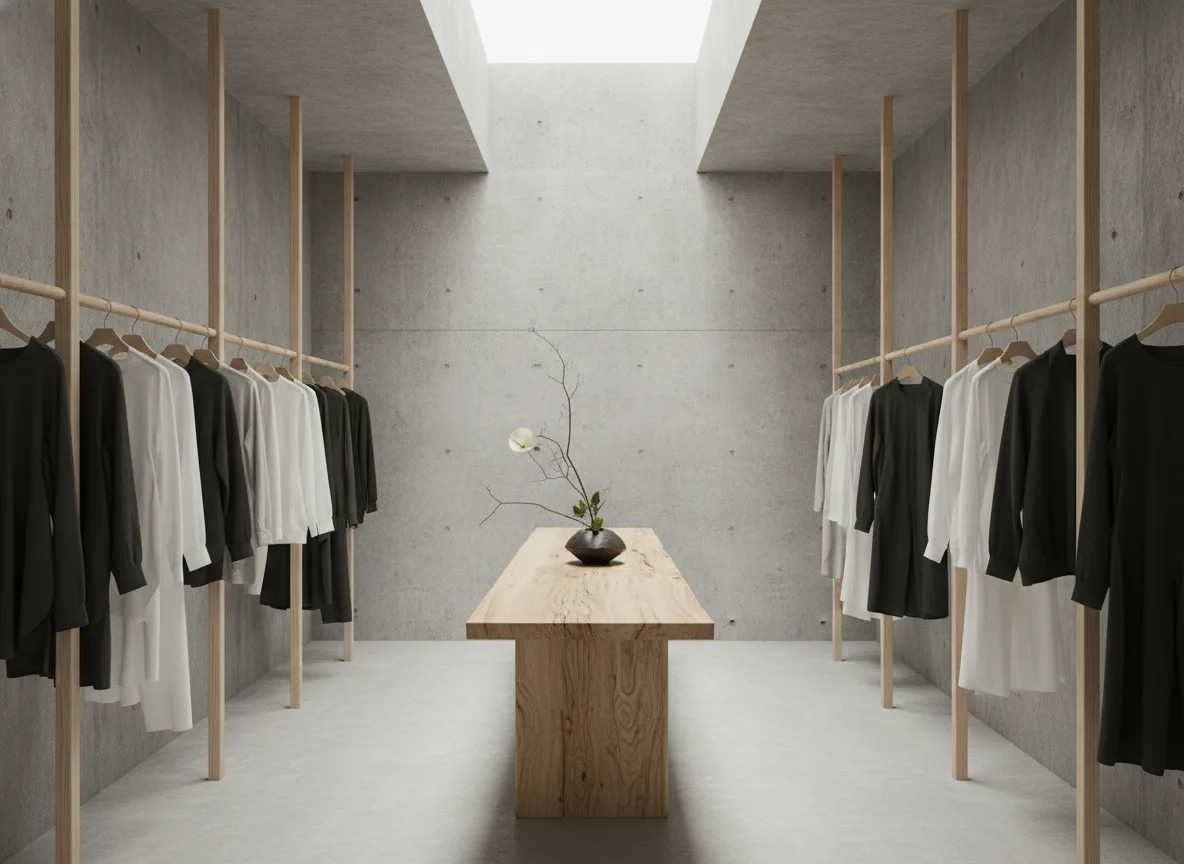 Image
Image