Tokyo's Quiet Hotels: Where Design Meets Disappearance
A photographic tour of the Japanese capital's most architecturally ambitious places to sleep
 Image
Image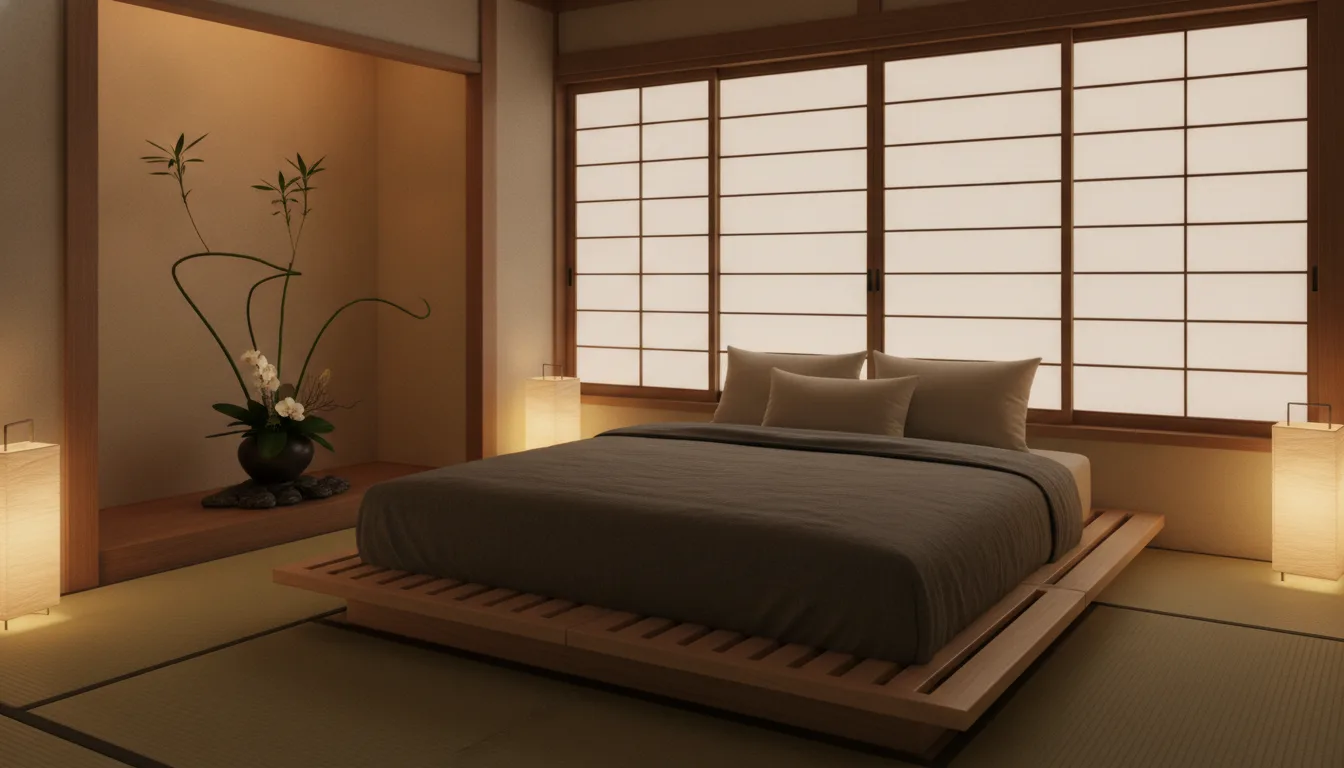 Image
Image Image
Image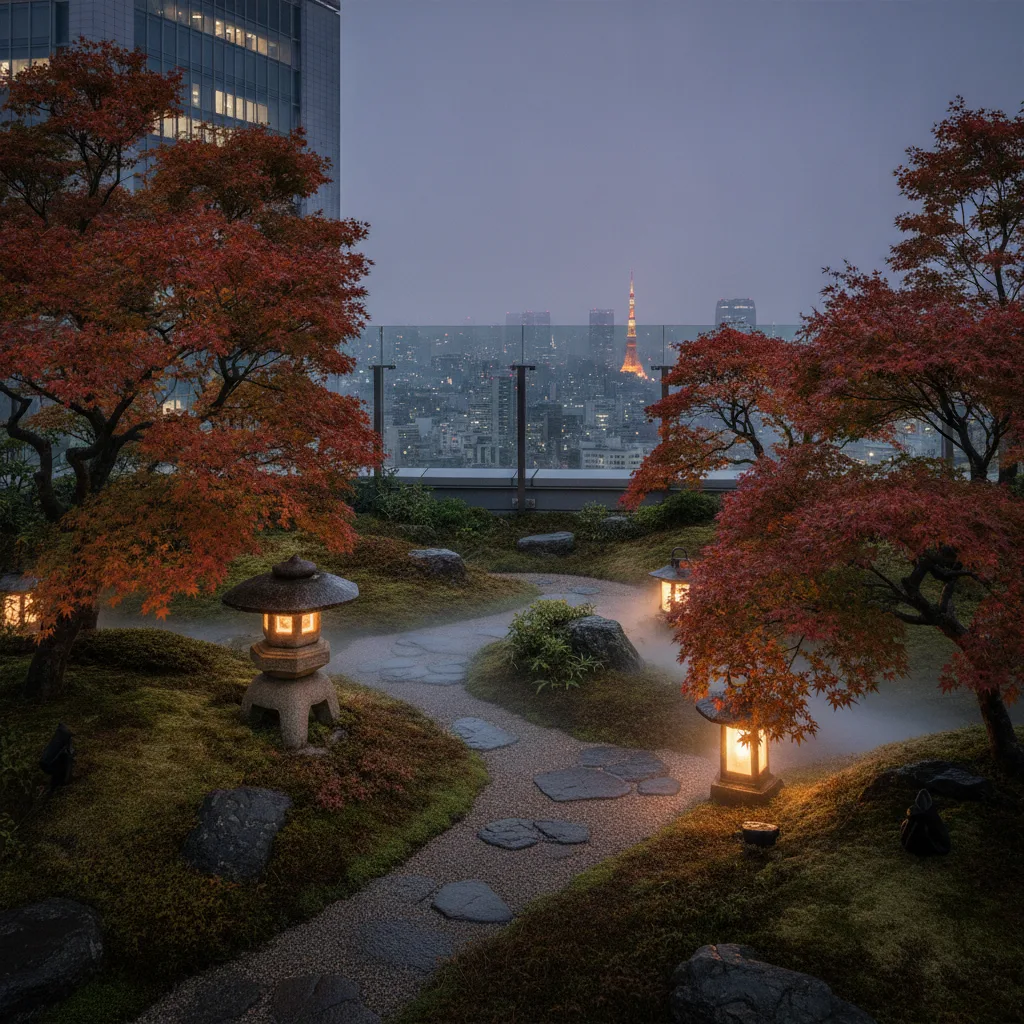 Image
ImagePhotography by Vanity Lane Travel
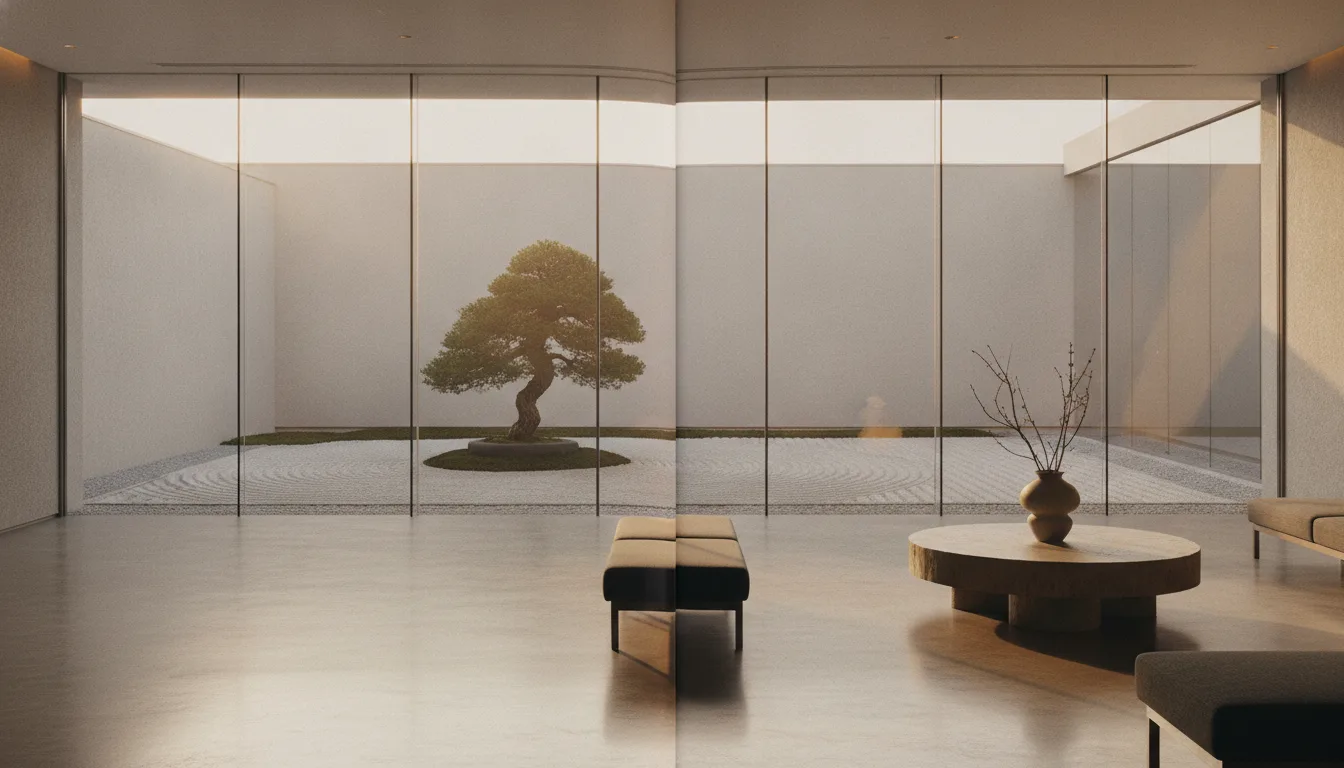
Tokyo does not do hotels the way the rest of the world does hotels. Where other cities stack amenities — the bigger the spa, the longer the cocktail list, the more Michelin stars on the property — Tokyo’s most compelling new properties compete on subtraction. How much can you remove before a space becomes transcendent?
The answer, it turns out, is quite a lot.
Hotel Shizuka
The name means “quiet,” and the hotel enforces it with the gentle fanaticism of a monastery. There is no music in the lobby. The corridors are lined with sound-absorbing cedar panels. Check-in happens through a whispered exchange at a counter made from a single slab of hinoki cypress, and the only sound in the elevator is the mechanical hum of its ascent.
Designed by architect Kenji Morimoto, Hotel Shizuka occupies a converted ink factory in the Yanaka district, one of the few Tokyo neighbourhoods that survived both wartime bombing and postwar redevelopment. The twenty-two rooms are exercises in radical simplicity: tatami flooring, low platforms, shoji screens, and nothing else. No television. No minibar. No art on the walls.
What there is, instead, is light. Morimoto has punched carefully calibrated openings into the original industrial shell, creating rooms that change character throughout the day as sunlight migrates across bare surfaces. By evening, the effect is almost devotional.
Kumo Residences
Where Shizuka whispers, Kumo Residences murmurs. This twelve-unit property in Aoyama was designed by the young practice Atelier Sora, who describe their approach as “furniture that becomes architecture.” Each residence is organised around a single piece of bespoke joinery — a staircase that becomes a bookshelf, a wardrobe that doubles as a room divider, a desk that folds out of a wall panel.
The result feels less like a hotel and more like a series of habitable sculptures. Guests are encouraged to move through the space slowly, discovering how each element transforms as they interact with it. A sliding panel reveals a hidden tea alcove. A wooden screen rotates to expose a private garden. The building rewards attention.
Nami Hotel
Nami — “wave” — takes a different approach to minimalism, one inflected with playfulness rather than austerity. Located in the Shibuya district, the hotel was designed by Yuki Tanabe, who made her name creating immersive installations for contemporary art museums.
Each of Nami’s thirty rooms has a single design gesture: a curved wall that flows from floor to ceiling, creating a cocoon-like sleeping area that opens onto a conventional living space. The curve is finished in hand-applied plaster that changes colour depending on the light — pale blue at dawn, warm ivory at midday, soft amber in the evening.
The rooftop garden, accessible to all guests, is a miniature landscape of moss, stone, and dwarf maples that feels improbably ancient given that it was planted eighteen months ago. From certain angles, the Tokyo skyline disappears entirely behind the foliage, and you could be anywhere — or nowhere — at all.
Room rates begin at approximately four hundred euros per night. All three properties are accessible from central Tokyo stations within fifteen minutes.