The New Standard: Can Luxury Fashion Survive Its Own Conscience?
A new generation of designers is proving that sustainability and desirability are not mutually exclusive
 Image
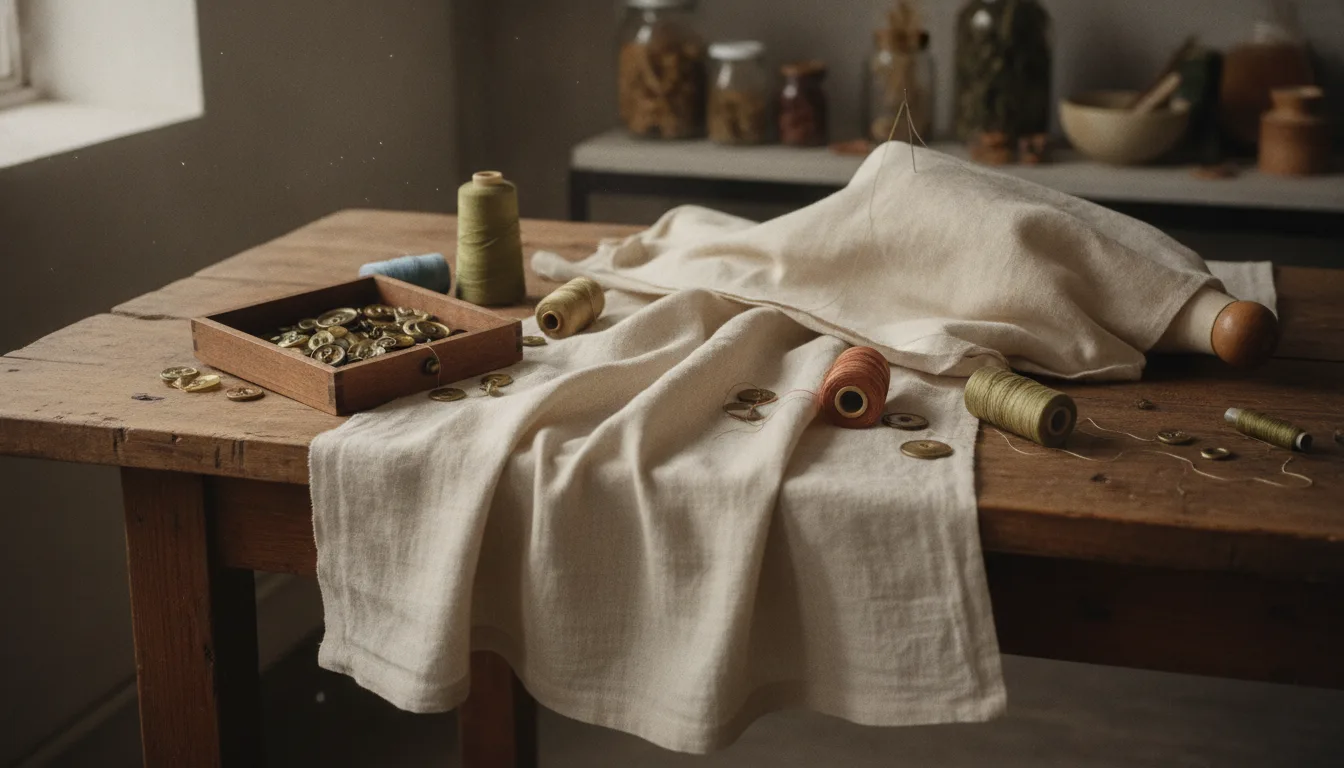
ImageThere is a question that hangs over the luxury fashion industry like smoke after a fire: can an industry built on excess learn to restrain itself without losing the very quality that makes it desirable?
For decades, the answer appeared to be no. Sustainability was treated as a marketing exercise — a capsule collection here, a recycled packaging initiative there, always positioned safely at the margins where it could generate positive press without threatening the core business of producing vast quantities of beautiful, expensive things that nobody strictly needed.
That calculation is changing, and the change is coming not from the boardrooms of the major conglomerates but from a handful of independent designers and small houses who have decided that the question itself is wrong. Sustainability, they argue, is not the enemy of luxury. It is its logical conclusion.
The Case for Less
Jonas Ekström, founder of Vinter Studio in Stockholm, builds his entire business model around a word that most fashion executives treat as profanity: scarcity.
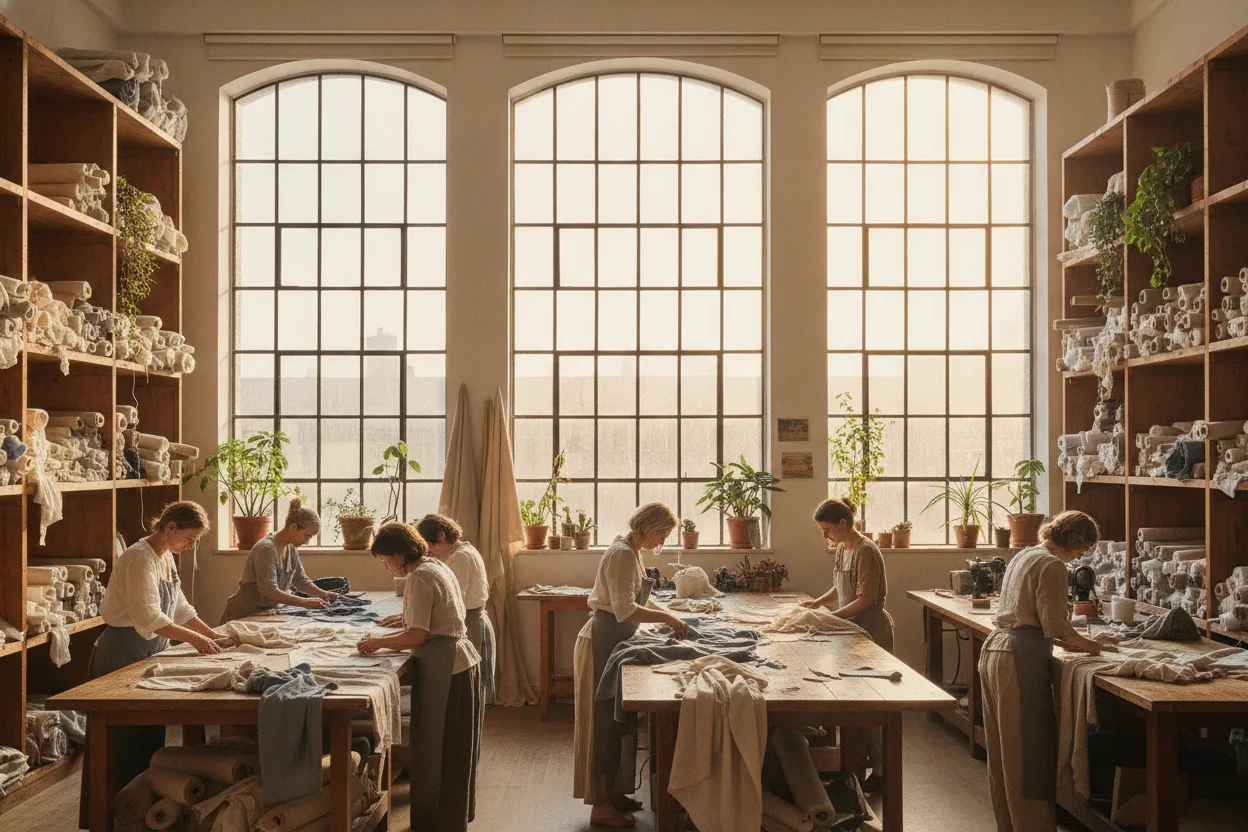
“Luxury used to mean rare,” Ekström explains from his workshop, a converted warehouse where a team of twelve produces every garment by hand. “Somewhere along the way, the industry decided it meant expensive. Those are not the same thing. We are trying to return to the original definition.”
Vinter Studio produces no more than four hundred pieces per year. Every garment is made to order from deadstock fabric or organic materials sourced from certified mills. There is no wholesale, no outlet, no sale. The waiting list — currently eight months — is, Ekström insists, not a marketing tactic but a natural consequence of choosing craft over speed.
The clothes themselves offer no visual signal of their ethical credentials. There are no earnest labels announcing recycled content, no earth-toned aesthetic signalling virtue. They are simply beautifully made garments that happen to be produced responsibly. This, Ekström believes, is the point.
The Supply Chain Question
Further south, Maison Terre — a collective of three designers based between Marseille and Marrakech — is tackling a different dimension of the problem: the supply chain itself.
Co-founder Amara Diallo spent two years mapping the journey of a single cotton shirt from field to shop floor. What she found was a chain of fifty-three separate transactions across eleven countries, most of them invisible to the brand whose label eventually appeared on the collar.
“You cannot call yourself sustainable if you do not know where your materials come from,” Diallo says. “Not approximately. Exactly. Which field, which farmer, which gin.”
Maison Terre now works exclusively with cooperatives whose operations they have visited personally, and they publish the full provenance of every garment on their website — not as a sustainability report but as a story, complete with photographs of the people who grew, spun, wove, and dyed the fabric.
The Consumer Shift
The market is responding. A recent industry report found that consumers under thirty-five now rank sustainability as the third most important factor in luxury purchases, behind quality and design but ahead of brand heritage and celebrity endorsement.
More tellingly, the resale market for luxury goods has grown by forty percent annually for three consecutive years, suggesting that the old model of seasonal consumption — buy, wear, discard, replace — is giving way to something more considered.
The Tension Remains
Not everyone is convinced the transformation is genuine. Critics point out that sustainable production, by definition, means smaller volumes and lower revenues — a proposition that publicly traded luxury conglomerates, answerable to shareholders, may never fully embrace.
Ekström shrugs at the criticism. “The industry will change because it has to,” he says. “The only question is whether it changes by choice or by force. We would prefer choice. It produces better clothes.”
A longer version of this report appears in the August issue of Vanity Lane.
 Image
Image Image
Image