Met Gala 2026: Every Look That Mattered
Thirty arrivals that defined fashion's biggest night under the theme 'Echoes of Tomorrow'
 Image
Image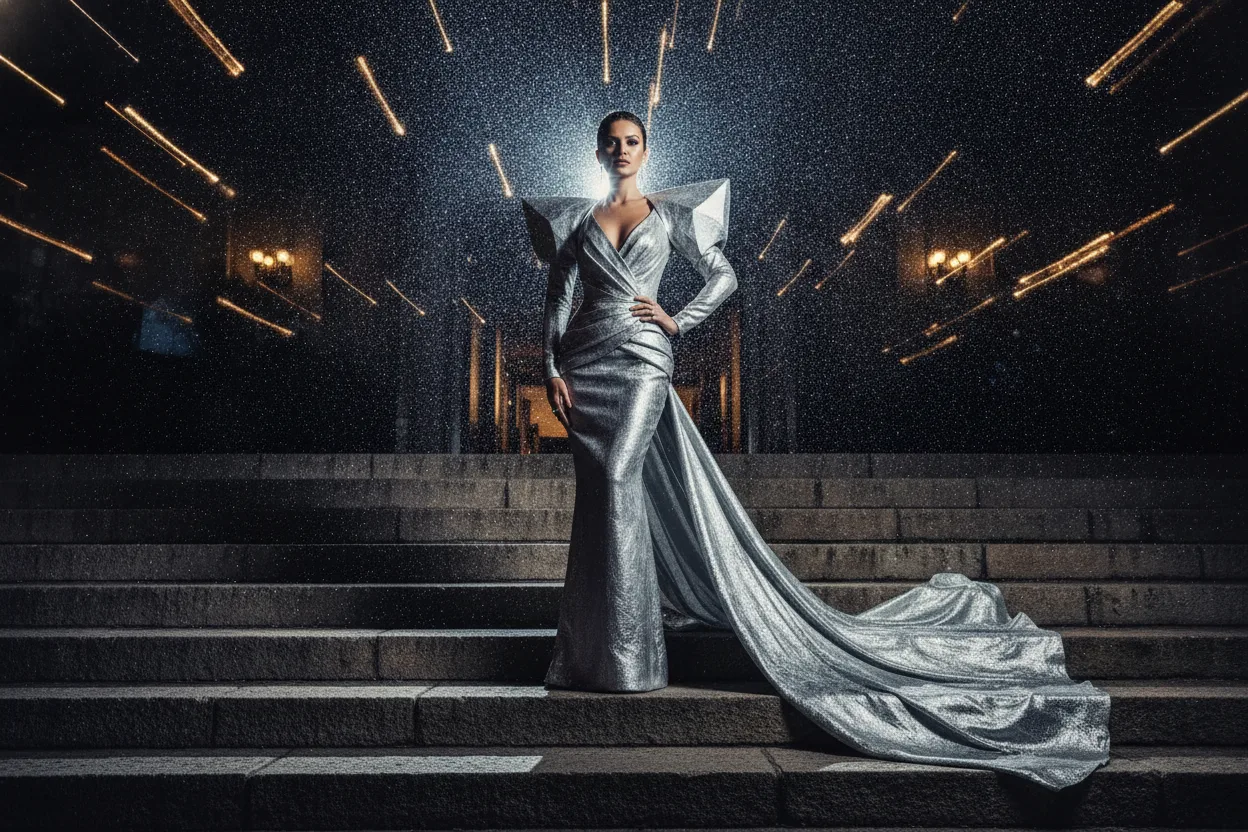 Image
Image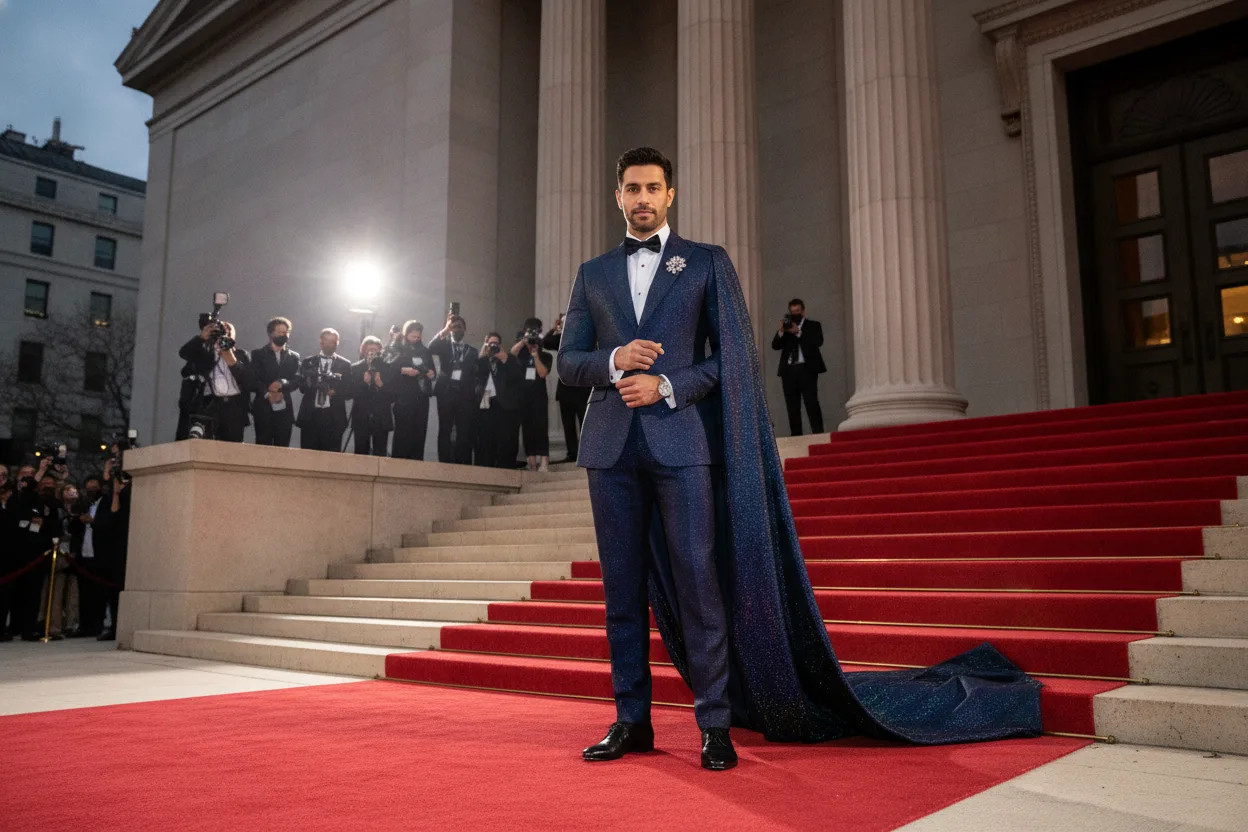 Image
Image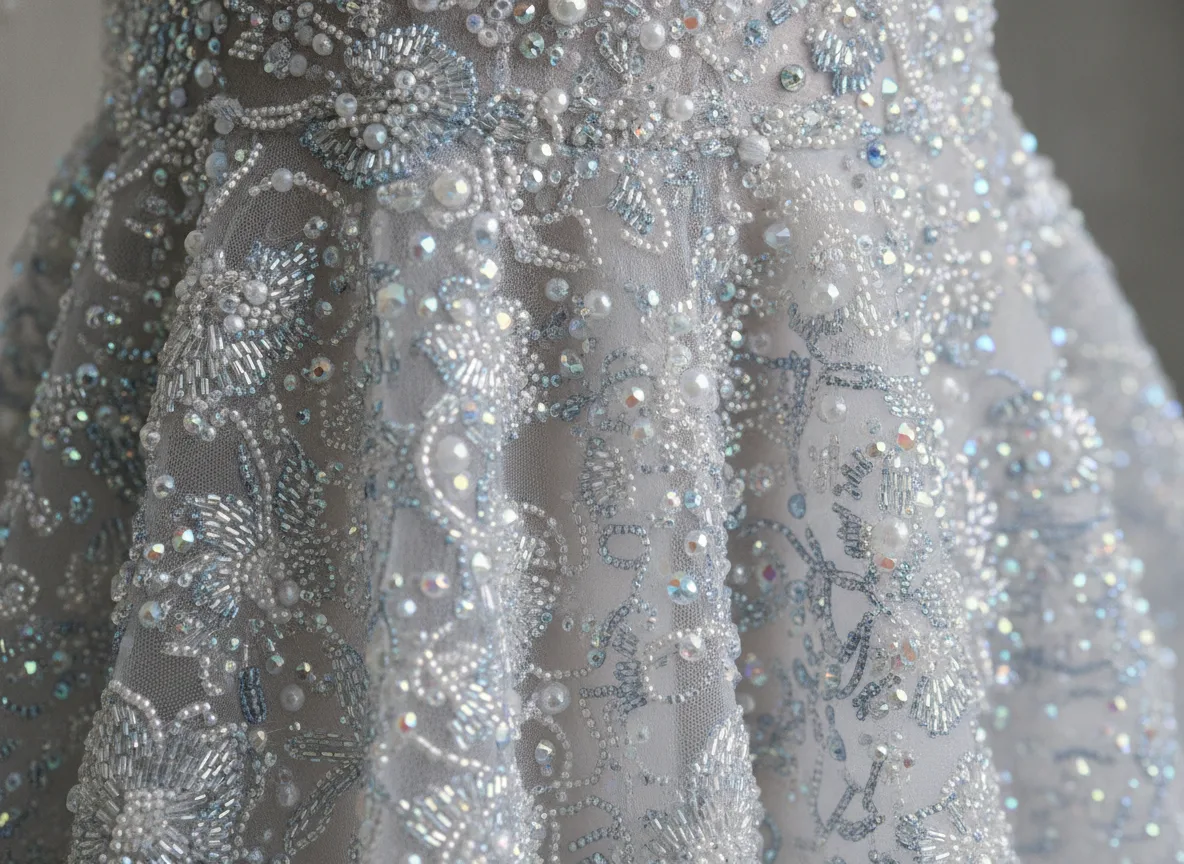 Image
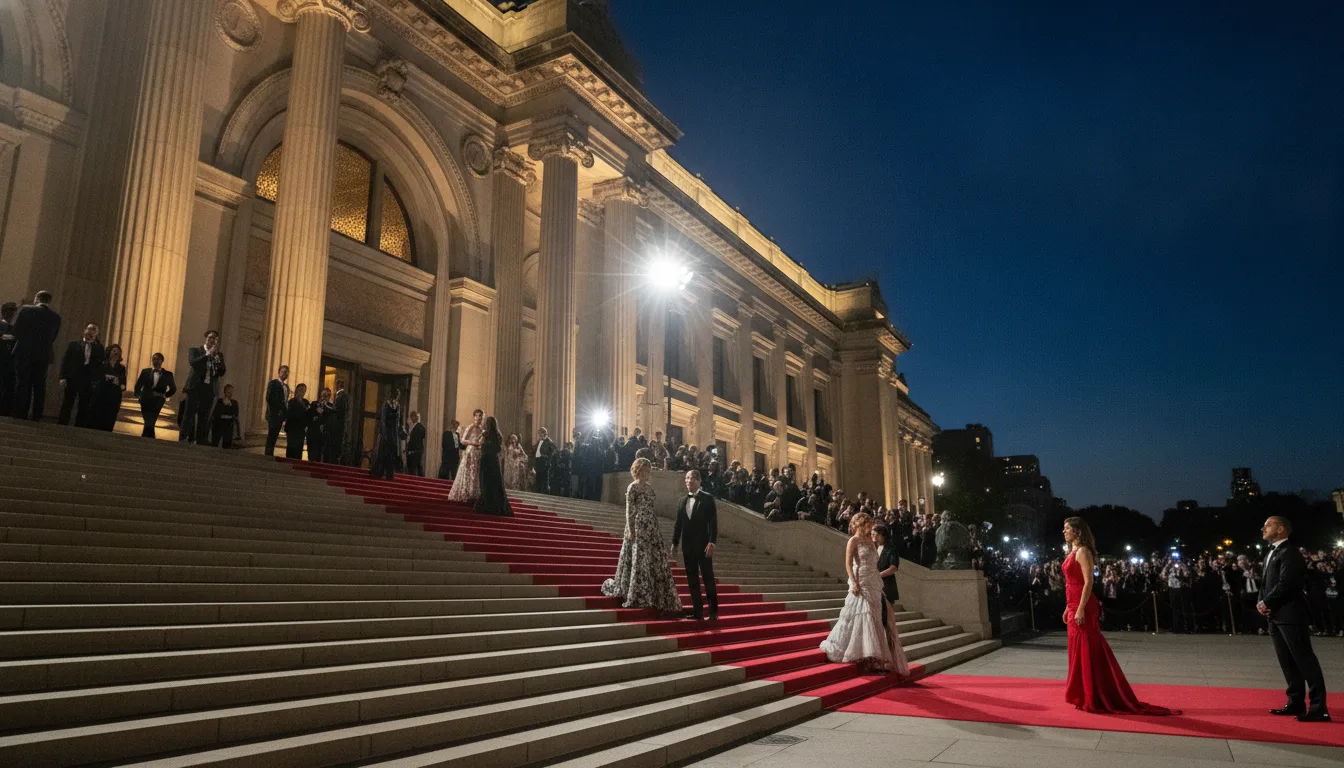
ImagePhotography from the Metropolitan Museum of Art steps
The theme was “Echoes of Tomorrow.” The invitation called for interpretations of futurity — not the chrome-and-circuit-board variety, but something more philosophical. What does the future remember about us? What do we leave behind? The best arrivals understood the assignment not as costume but as provocation.
Here are the looks that mattered, and why.
The Statement Makers
Vivienne Sato in Maison Arcadia. The night’s undisputed victor. Sato arrived in a sculpted silver gown with shoulders that rose like the buttresses of a cathedral, the bodice built from laser-cut titanium panels layered over silk organza. It was armor and vulnerability in equal measure — a future that protects itself without hiding. Creative director Luisa Ferrer reportedly spent four months on the piece alone.
Dorian Blake in Tessier Atelier. Blake has quietly become the most interesting dresser on any red carpet, and his midnight-blue suit with holographic threading was a masterclass in restraint. The single draped cape over the left shoulder referenced both classical statuary and military dress, suggesting a future that has not forgotten its past. It was the look that proved, once and for all, that the men’s carpet can hold its own.
Lena Orlova in Maison Verre. Twelve hundred hours of atelier work produced a column gown covered in hand-embroidered crystalline beads that shifted between white and pale blue depending on the angle. Orlova moved through the museum like a living glacier — ancient, elemental, and quietly devastating.
The Risk Takers
Jin Park in Kolektiv. Park arrived in what can only be described as a deconstructed tuxedo rendered in recycled ocean plastic, the material treated to resemble cracked ice. It was polarizing, deliberately ugly in places, and entirely brilliant. The future, Park seemed to argue, will not be beautiful unless we earn it.
Amara Osei in her own design. The model-turned-designer wore a gown made entirely of repurposed film negatives, each strip sourced from defunct cinema archives. Under the flashbulbs, the dress came alive with ghostly fragments of forgotten movies. It was the most conceptually rigorous look of the evening.
The Quiet Triumphs
Not every great look announced itself from the top of the stairs. Several arrivals rewarded closer inspection.
Maren Lindqvist in Atelier Norden wore what appeared from a distance to be a simple ivory column dress. Up close, the fabric revealed thousands of tiny pressed wildflowers embedded between layers of translucent silk — a meditation on preservation that grew more beautiful the longer you looked.
Rafael Coronado in vintage Marchesi made the case for wearing the archive, arriving in a perfectly preserved 1987 dinner jacket that looked more modern than half the custom pieces on the carpet. Sometimes the future is simply remembering what already worked.
The Verdict
This was a strong year. The theme invited genuine thought rather than literal interpretation, and the best-dressed guests responded with looks that functioned as arguments rather than advertisements. If the Met Gala’s purpose is to demonstrate that fashion can be a form of cultural discourse, the class of 2026 made the case convincingly.
The afterparty looks, naturally, were another story entirely.
Full gallery coverage continues on VanityLane.com throughout the week.