Inside the Met Gala 2026: The Night Fashion Held Its Breath
Deconstructed couture, political statements, and one unforgettable entrance — our man on the carpet reports
 Image
ImageThere is a moment, every year, when the Met Gala stops being a party and becomes something else. It usually arrives around eleven in the evening, when the cameras have been packed away and the guests who came for the photographs have left. The ones who remain — the designers, the artists, the people who actually care about the exhibition — drift through the galleries with champagne in hand and a particular quiet settles over the building.
This year, that moment came earlier than usual. It came at approximately eight forty-five, when soprano Marguerite Delacroix descended the museum staircase in a gown by Maison Vaillancourt that appeared to be unravelling in real time.
The Theme
The 2026 exhibition — Undone: Fashion and the Art of Imperfection — invited designers to interrogate the relationship between construction and destruction, between the finished garment and the process that created it. Co-chaired by creative director Élise Berger and curator Antonella Ricci, the show filled twelve galleries with garments in various states of completion: half-draped toiles beside finished couture, pattern pieces pinned to walls alongside the gowns they became.
The theme gave guests extraordinary latitude, and most rose to the occasion. The carpet was a parade of raw edges, exposed seams, and deliberately unfinished hems — fashion as work-in-progress rather than polished product.
The Standout Moments
Delacroix’s gown was the evening’s undeniable centrepiece. Constructed from layers of silk organza attached with dissolvable thread, it was designed to slowly lose its outermost layers as she moved. By the time she reached the top of the staircase, a trail of translucent fabric lay behind her like a ghostly wake. The crowd fell silent — not the performative silence of social media but the genuine, involuntary kind.
Elsewhere, designer Jonas Ekström of Vinter Studio made a quieter statement by arriving in a beautifully tailored suit with one sleeve missing. When asked about it, he simply said: “I ran out of fabric. I thought that was rather the point.”
Actor Dominic Ashford turned heads in a floor-length coat constructed entirely from reclaimed theatre curtains, its velvet surface bearing the faint outlines of decades of stage dust and spotlight burns. His stylist later confirmed each panel was sourced from a different closed playhouse.
The Exhibition
Beyond the carpet, the exhibition itself was a revelation. Ricci’s curation was surgical: each gallery traced a different aspect of imperfection, from the visible mending traditions of Japan to the punk movement’s deliberate destruction of couture codes. A room devoted to rejected prototypes from major houses was particularly compelling — seeing the ideas that were abandoned often revealed more about a designer’s vision than the collections that survived.
The After
By midnight, the formal programme had dissolved into the informal one. Small groups gathered in the Egyptian Wing, shoes discarded, champagne warming in hands. Berger was spotted in deep conversation with Ekström, both sitting on the floor beside a display case of ancient textiles. A string quartet played in a distant gallery, the sound drifting through empty corridors.
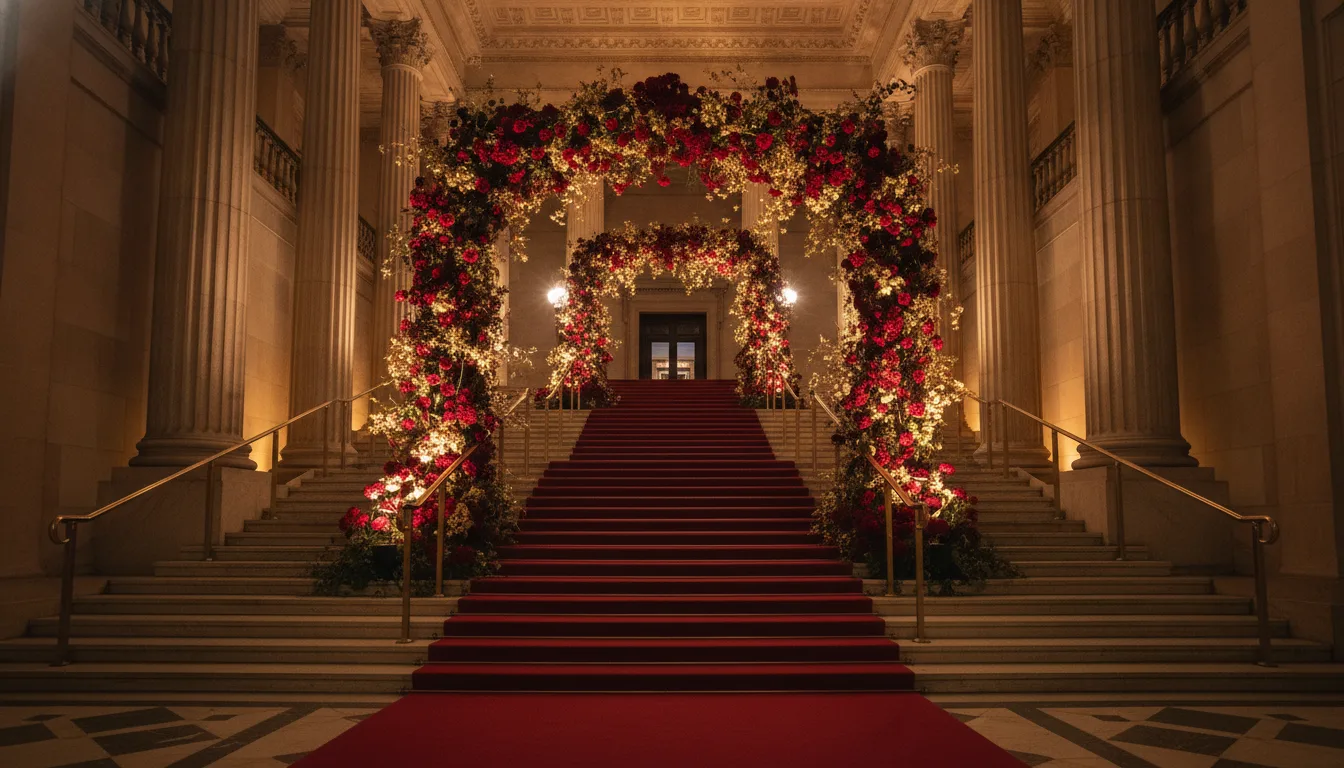
The museum emptied slowly. By dawn, the staircase was littered with flower petals and the evening existed only in photographs and in the particular ache of having witnessed something unrepeatable.
The Undone exhibition runs at the Metropolitan Museum through January 2027.
 Image
Image Image
Image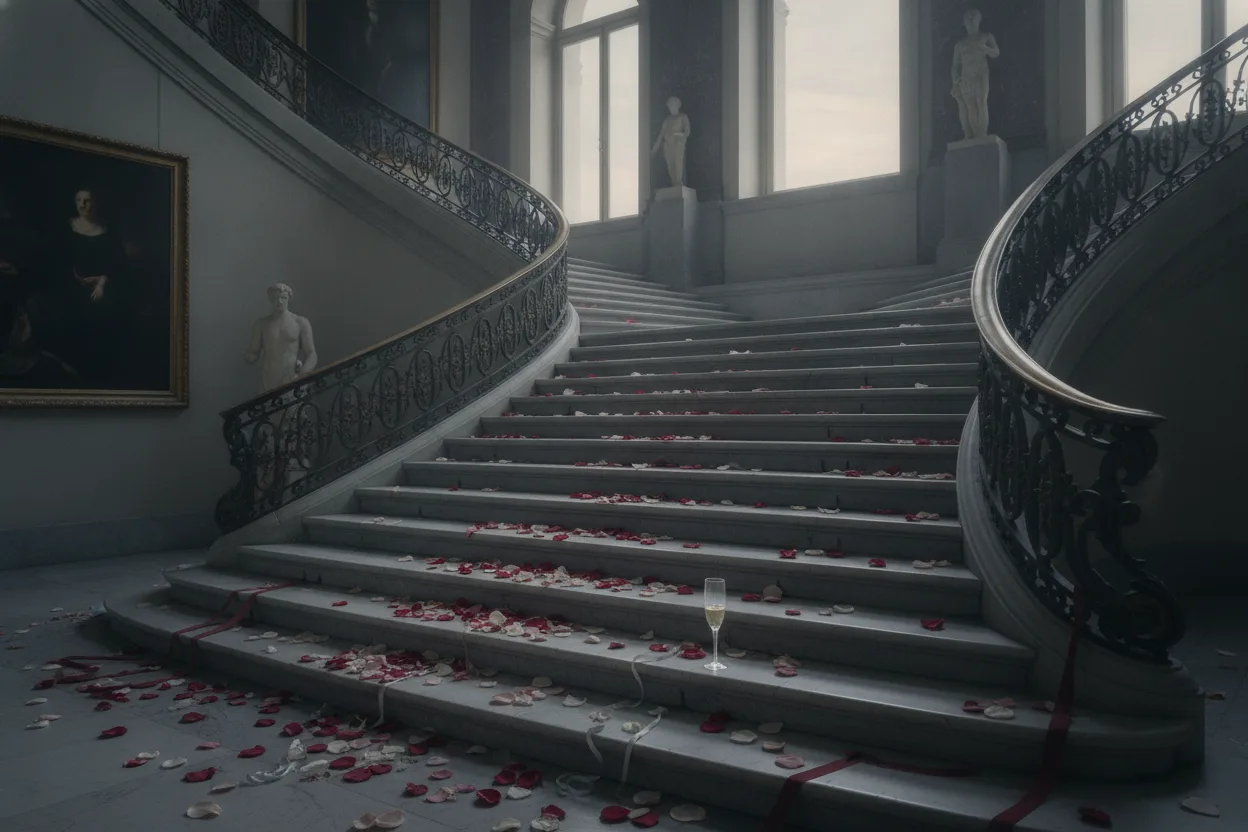 Image
Image