The Private Islands of the Maldives: A Portfolio of Solitude
Where the Indian Ocean meets the edge of the world — inside three resorts that redefine seclusion
 Image
Image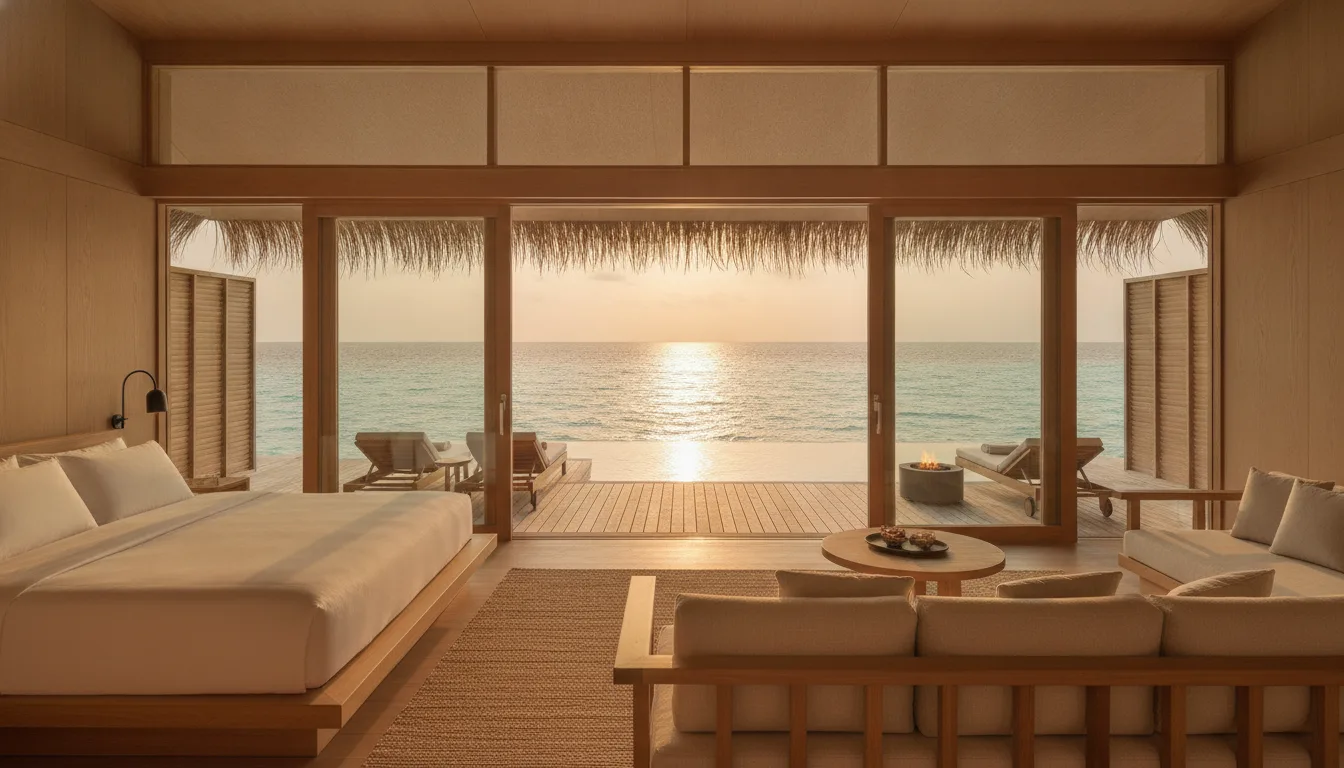 Image
Image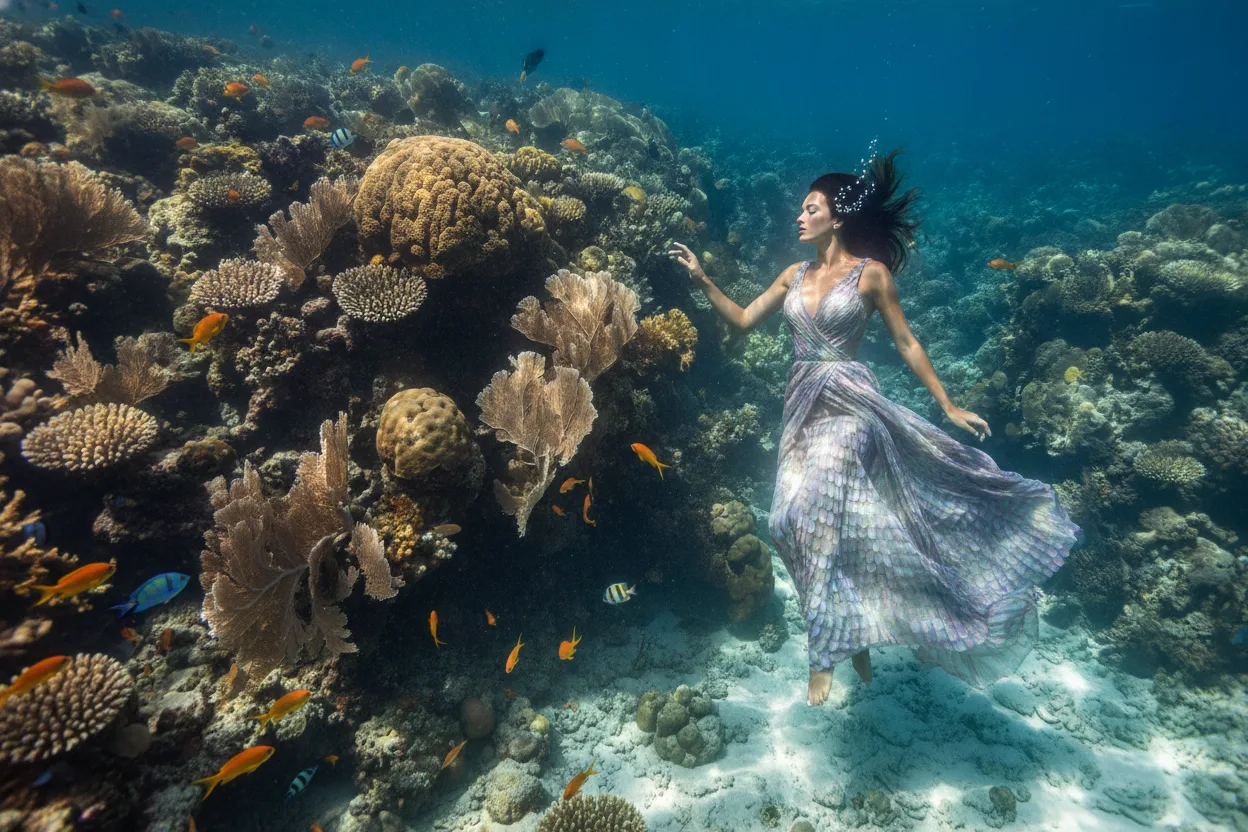 Image
Image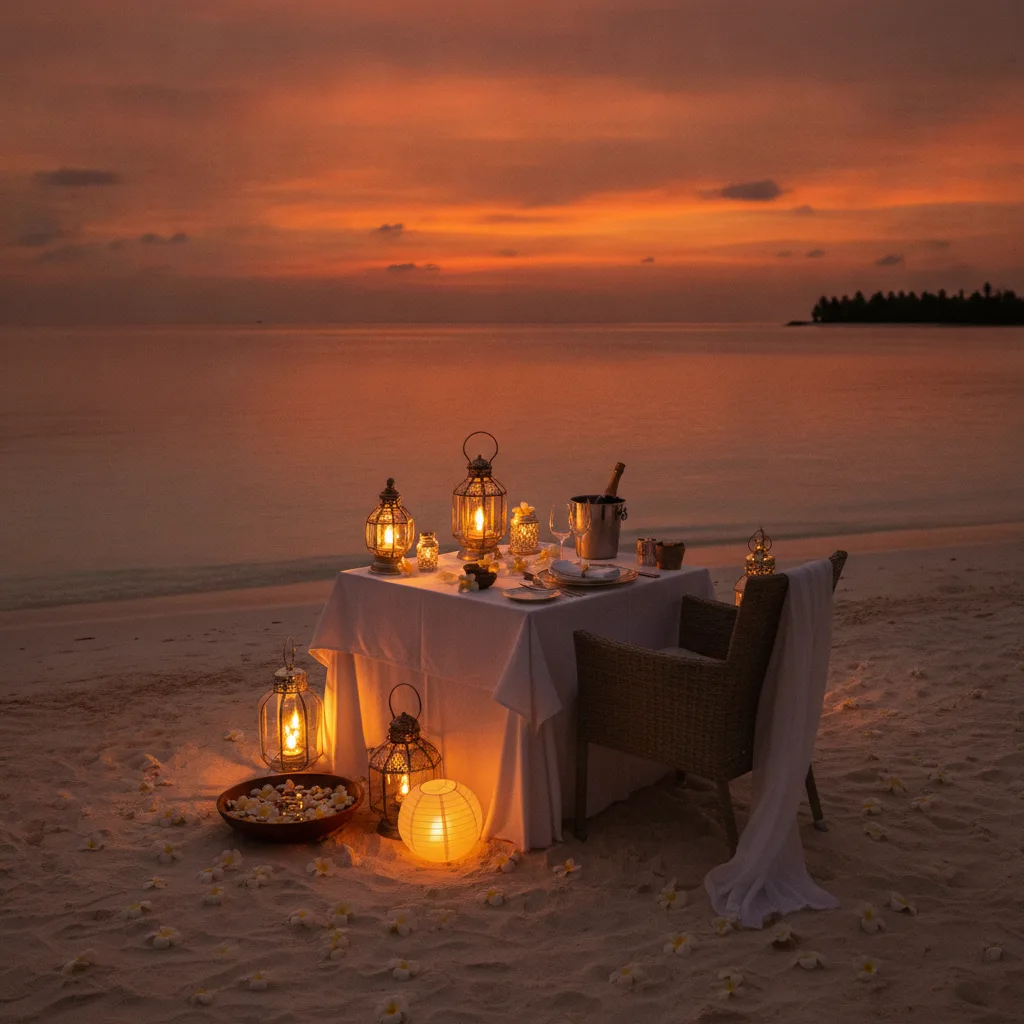 Image
ImagePhotography by Vanity Lane Travel
The Maldives operates on a simple geographical premise that most destinations can only envy: each resort occupies its own island. There are no neighbours, no shared beaches, no accidental encounters with other establishments. Your island is your island. The ocean begins where the sand ends, and beyond that there is nothing until the next atoll shimmers into view on the horizon.
But within this already exclusive model, a new tier has emerged: the private island within the private island. These are resorts that have taken seclusion to its logical extreme, offering single-villa islands, personal marine biologists, and the kind of silence that city dwellers find initially unsettling and ultimately addictive.
Isla Serena
The most ambitious of the new properties is Isla Serena, which occupies a cluster of three islands in the North Malé Atoll connected by underwater tunnels. Each island holds a single villa — or, more accurately, a single residence, since the structures are large enough to qualify as modest houses.
The Ocean Pavilion, the largest of the three, extends over the lagoon on a timber platform with a glass floor panel that reveals the reef below. The effect at night, with underwater lighting illuminating passing rays and reef sharks, is hypnotic and slightly unnerving. You are sleeping on the ocean. The ocean knows it.
Chef Kiran Mendes, formerly of two acclaimed restaurants in Mumbai, runs the kitchen from a central island that also houses the spa and a modest library. Meals are served wherever the guest chooses — on the beach, in the villa, or on a sandbank that emerges at low tide and vanishes again six hours later. The disappearing dining table has become the property’s signature image, though Mendes notes drily that the food deserves more attention than the furniture.
Velaa Nui
On the opposite end of the archipelago, Velaa Nui takes a different approach. The resort consists of ten overwater villas arranged in a gentle curve along the atoll’s outer reef, each one oriented to face open ocean with no other structure in sight.
The design philosophy, by architect Yumi Takahashi, is what she calls “radical horizontality” — nothing rises above a single storey, rooflines echo the flatness of the ocean, and the palette of bleached timber and white coral concrete dissolves the boundary between architecture and environment.
The house reef is the main attraction. Accessible directly from each villa’s deck, it drops steeply to a wall teeming with marine life. The resort employs a full-time marine biologist who leads daily dives and maintains a coral nursery that guests are invited to contribute to — each visitor plants a fragment that is tagged, photographed, and monitored, with growth updates sent quarterly.
Noku Island
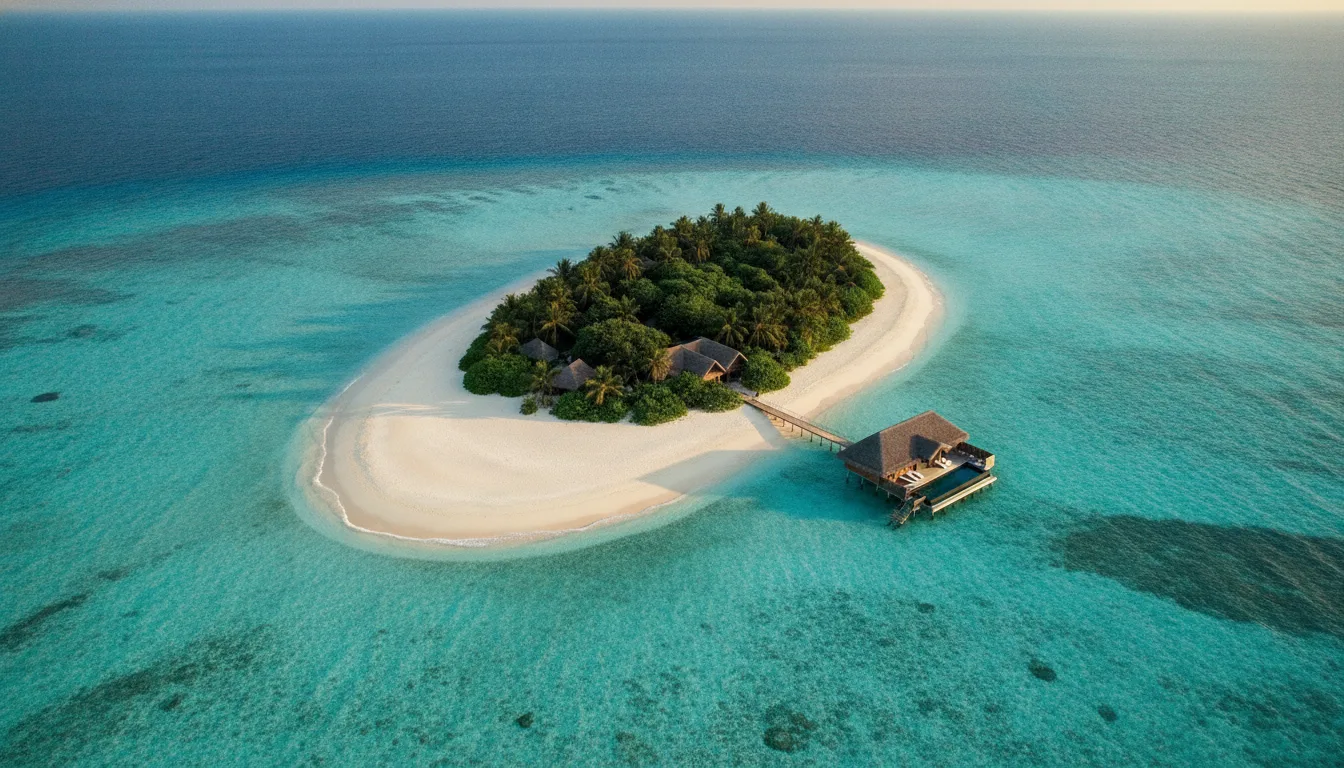
The most intimate of the three is Noku Island, which accommodates a maximum of four guests in two villas on a teardrop-shaped island in the Baa Atoll. There is no spa, no restaurant, no front desk. Instead, a private chef and a housekeeper are the only staff, and the daily rhythm is governed entirely by the tides and the light.
Noku was designed for extended stays — the minimum booking is five nights — and the guests who come tend to return. The island’s register, a handsome leather volume kept in the main villa, shows that several visitors have returned annually since the property opened three years ago. Many entries contain only a single word: silence.
Standing on Noku’s northern beach at sunset, watching the water turn from turquoise to gold to violet, the word seems entirely adequate.
Rates for the three properties range from approximately two thousand to eight thousand euros per night. All are accessible via seaplane from Malé.